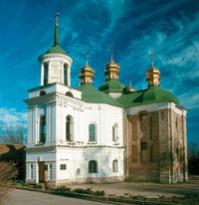
“Memories of Kyiv-Pechersk Lavra photo project
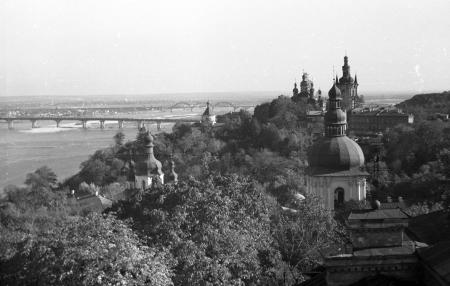 Creative heritage of Malakov brothers
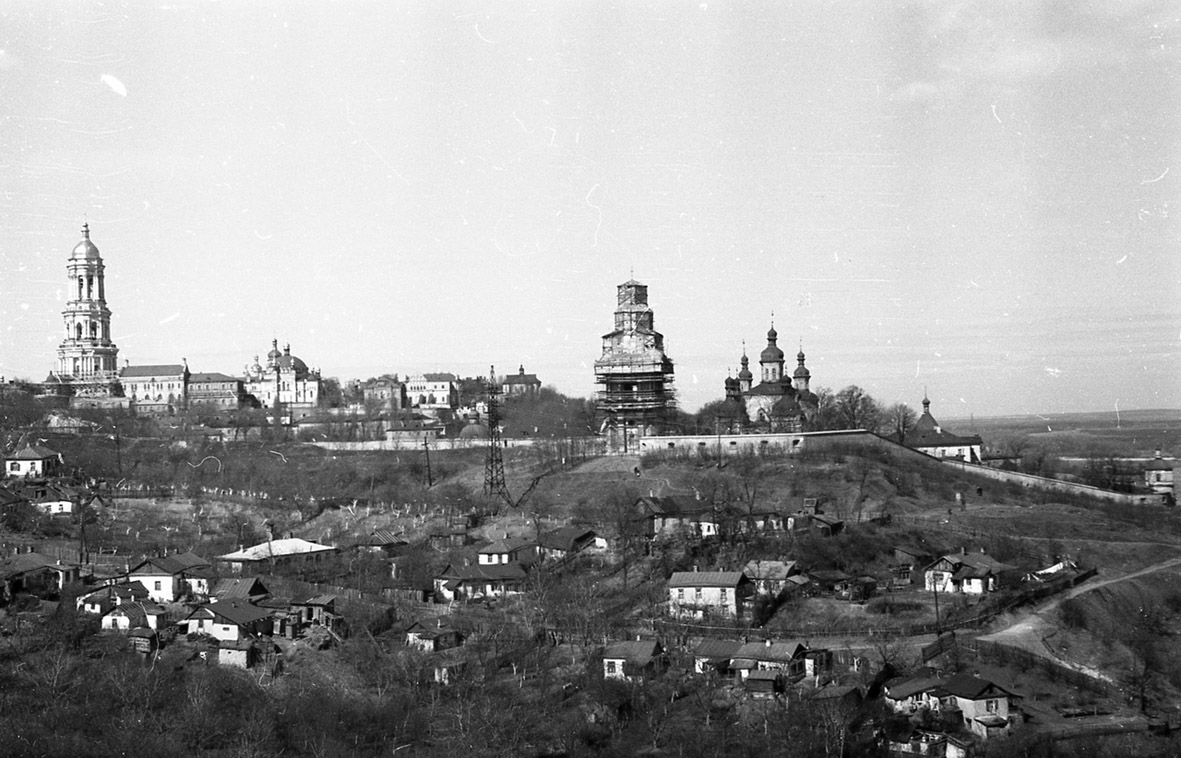
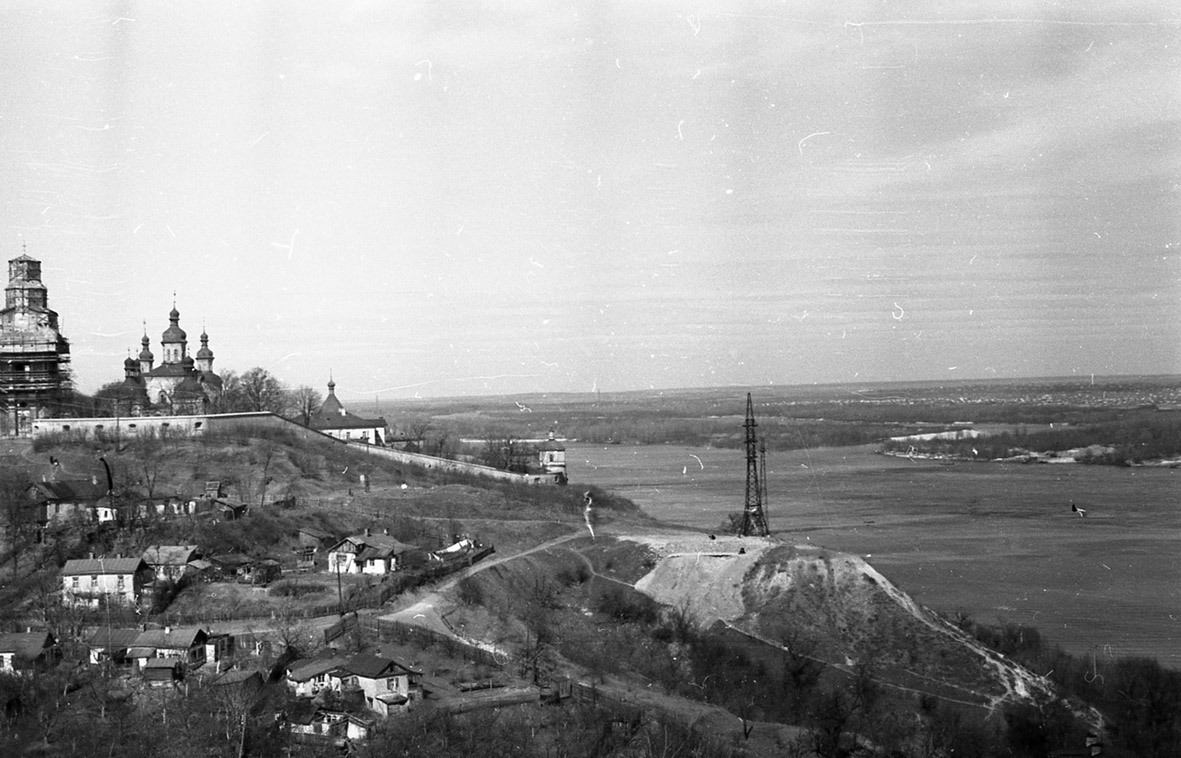
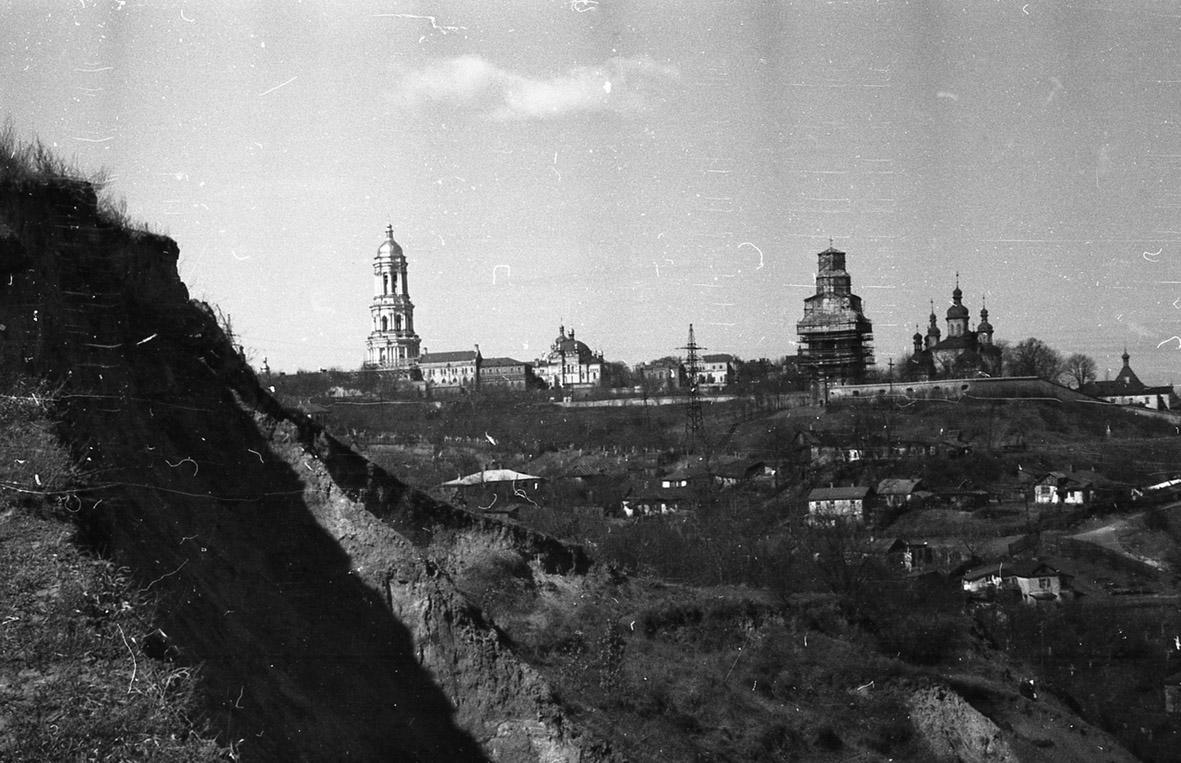
Today’s release of “Memories of Kyiv-Pechersk Lavra” photo project will complete a series of stories about creative heritage of two brothers - Heorhii and Dmytro Malakov. In our disposal are the photographs of the 1950s from Dmytro Malakov’s archive. Most of the pictures depict a small settlement located south of Kyiv-Pechersk Lavra, which was demolished during the construction of the landscape park and “National Museum of the History of Ukraine in the Second World War” Memorial complex.
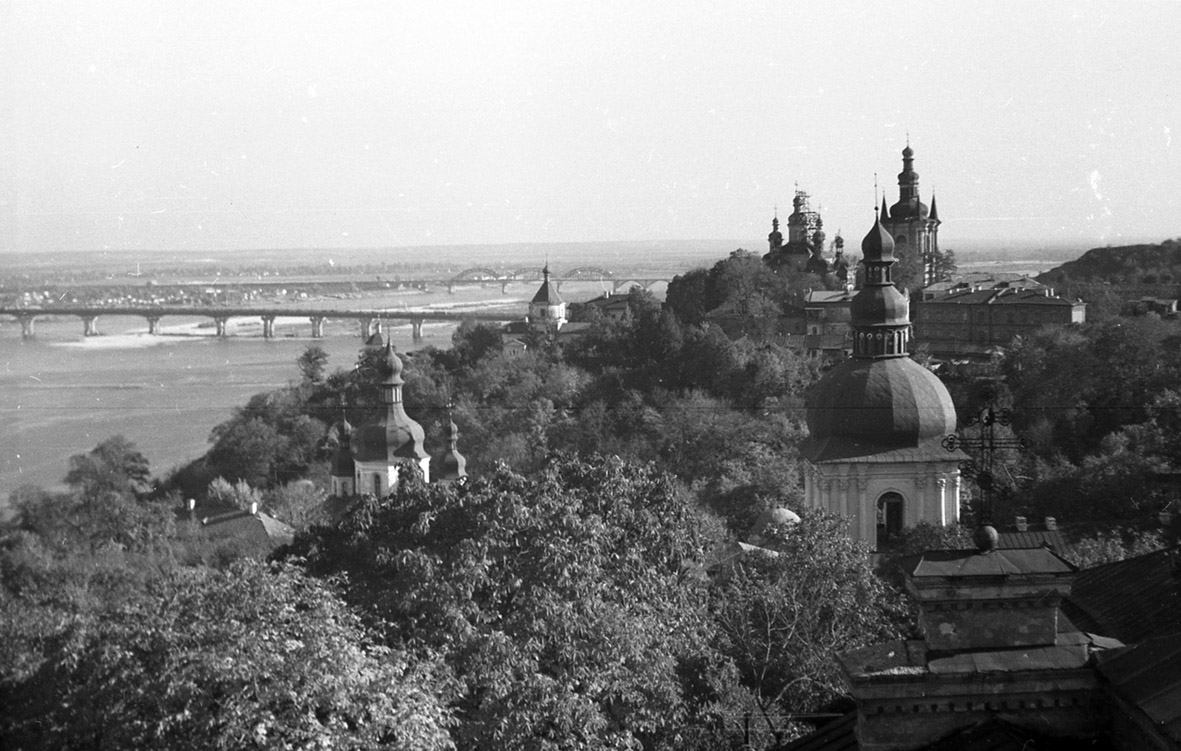
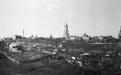
These photos will help us make a short trip to the Lower Lavra territory and places beyond it. The starting part of our excursion is traditional: we view the panorama of the Near and Far Caves (Ill. 1). The photo was taken from the Observation Platform behind the building of the Lavra Icon Painting School. This is a favorite place for taking pictures for Kyivites and guests of the city. There was a time when local inhabitants called it simply “viewpoint”.
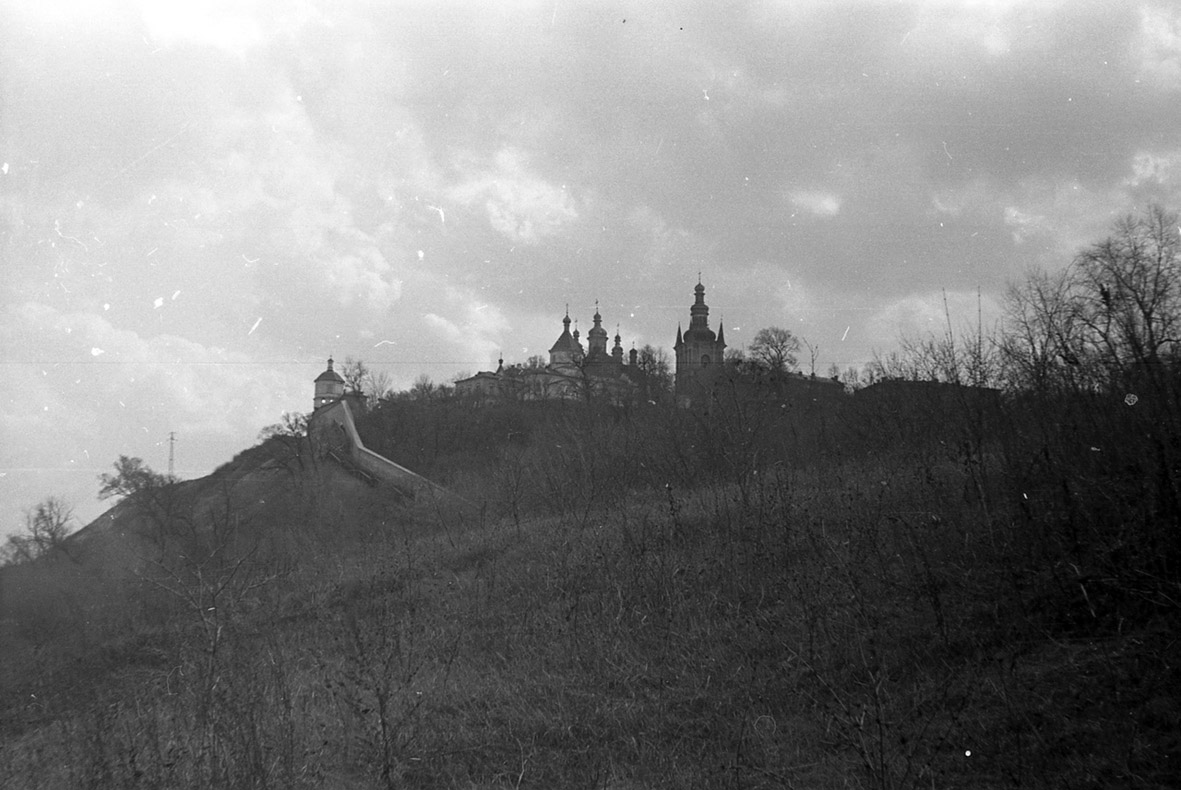
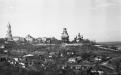
The next picture, taken from outside the fortress walls, shows the architectural ensemble of buildings over the Far Caves (Ill. 2). It was somewhere here, where young artist Heorhii Malakov made the sketches of this place. We were talking about these facts in our previous releases (see: https://kplavra.kyiv.ua/ua/node/2587, https://kplavra.kyiv.ua/ua/ 26-travnya-watercolors-Malakov-ukr).
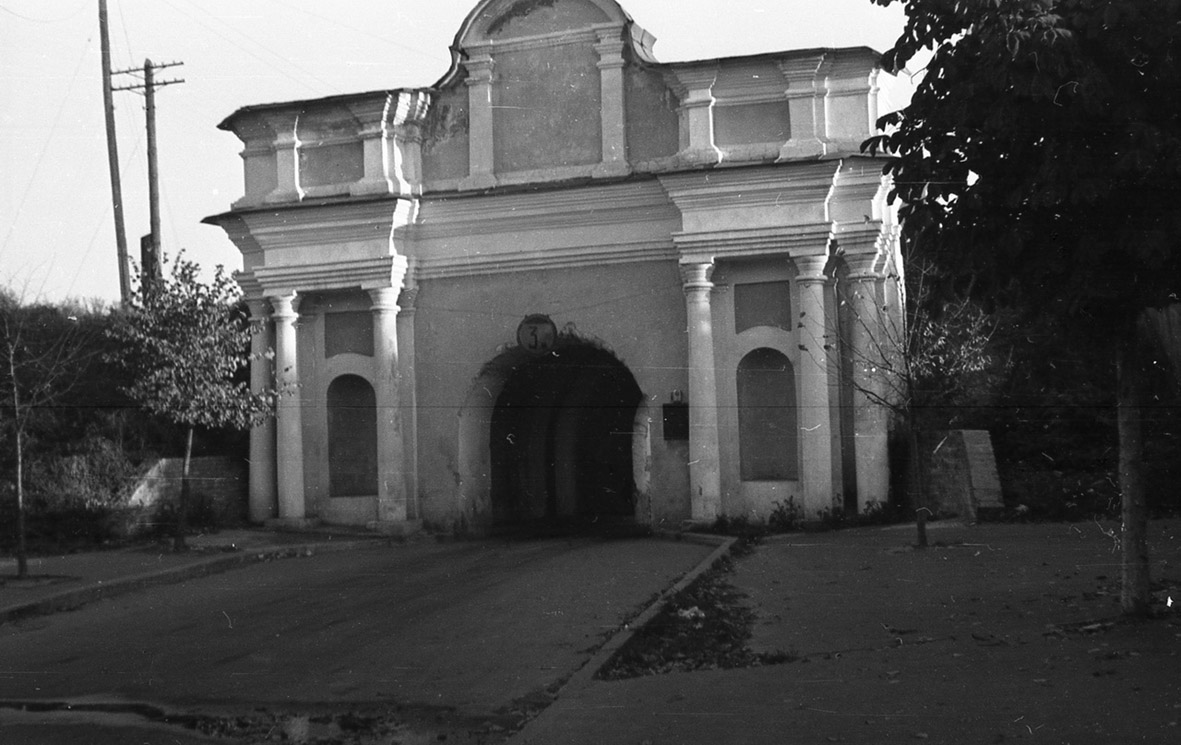
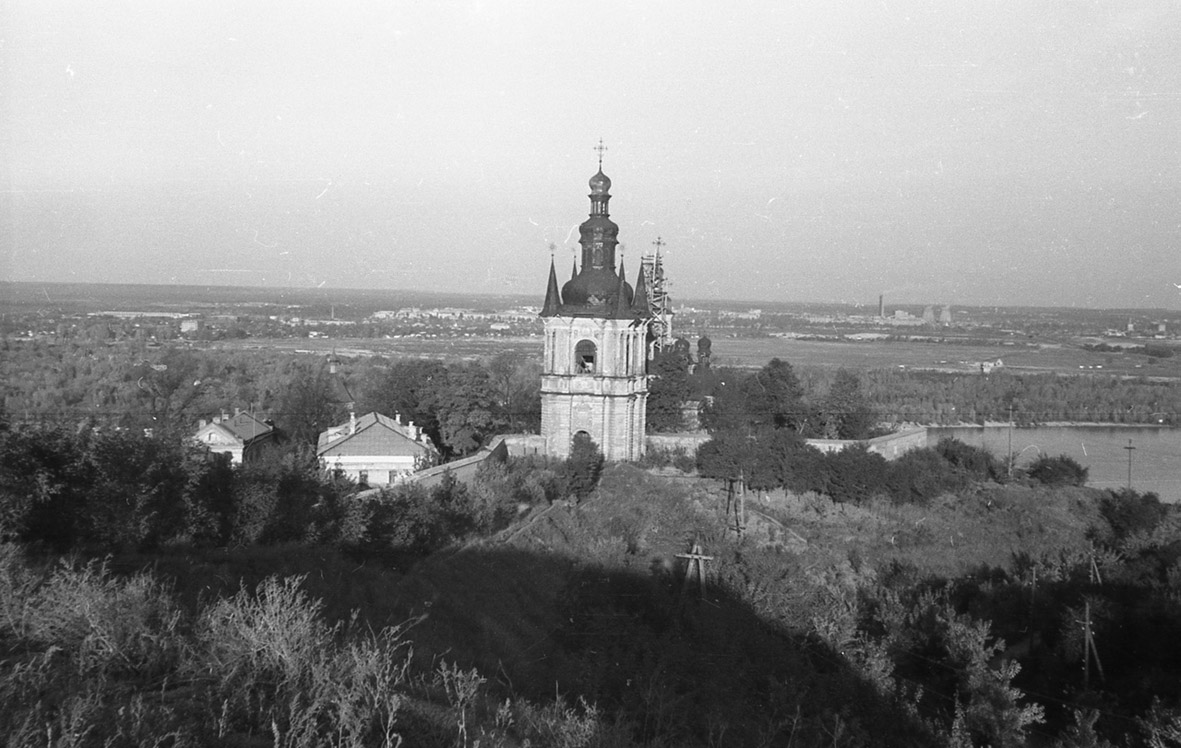
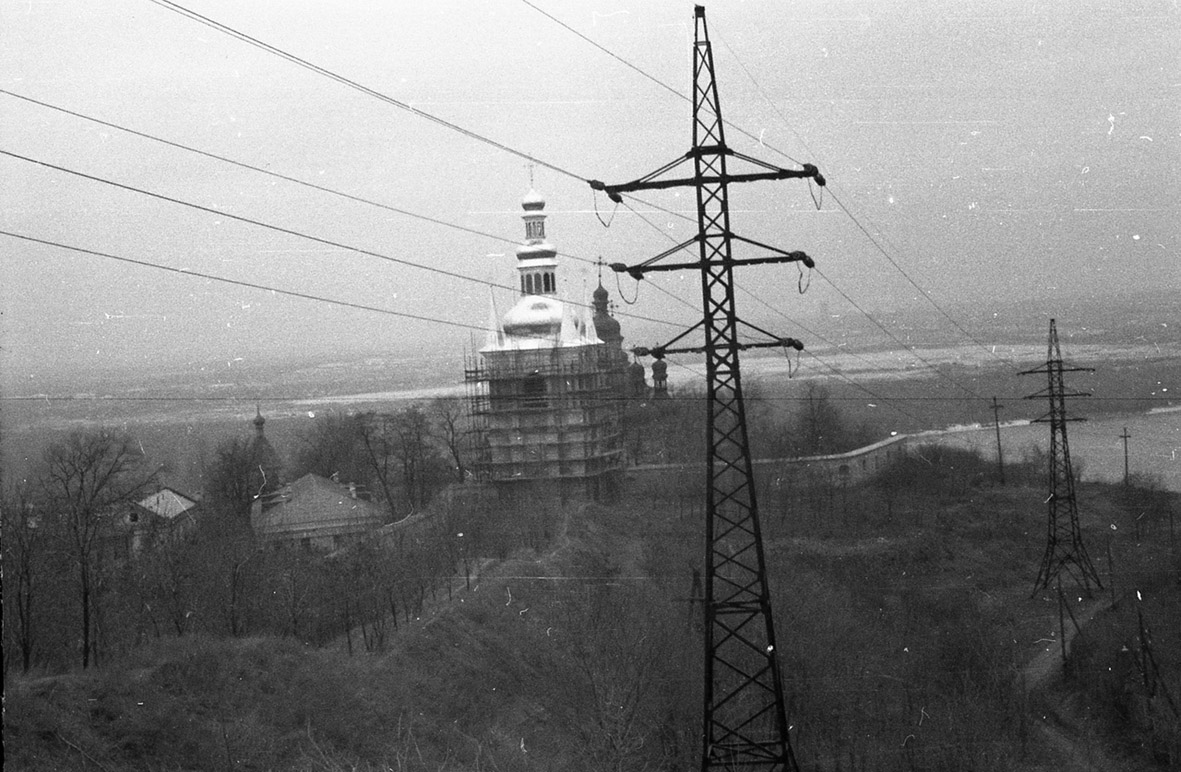
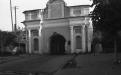
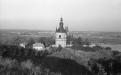
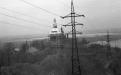
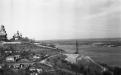
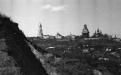
Then, passing through the Moscow Gate (Ill. 3), the photographer moved to the left, and walked along the fortress walls. Then they came close to the Gate, which was passable. Advancing a little bit further to the east, we see Kovnir’s Bell Tower and Bastion of the Nativity of the Blessed Virgin (Ill. 4-5). A very similar photo was taken in 1967 by Volodymyr Chemerys, the citizen of Kyiv (it was published earlier in one of our previous releases (see: https://kplavra.kyiv.ua/ua/3-March-fotoproyekt-Volodymyr-Chemerys-ukr).
In earlier photos taken near the Bell Tower you can see the gardens of the locals. In the background of the photo there opens the panorama of the left bank of Kyiv, which was still undeveloped then.
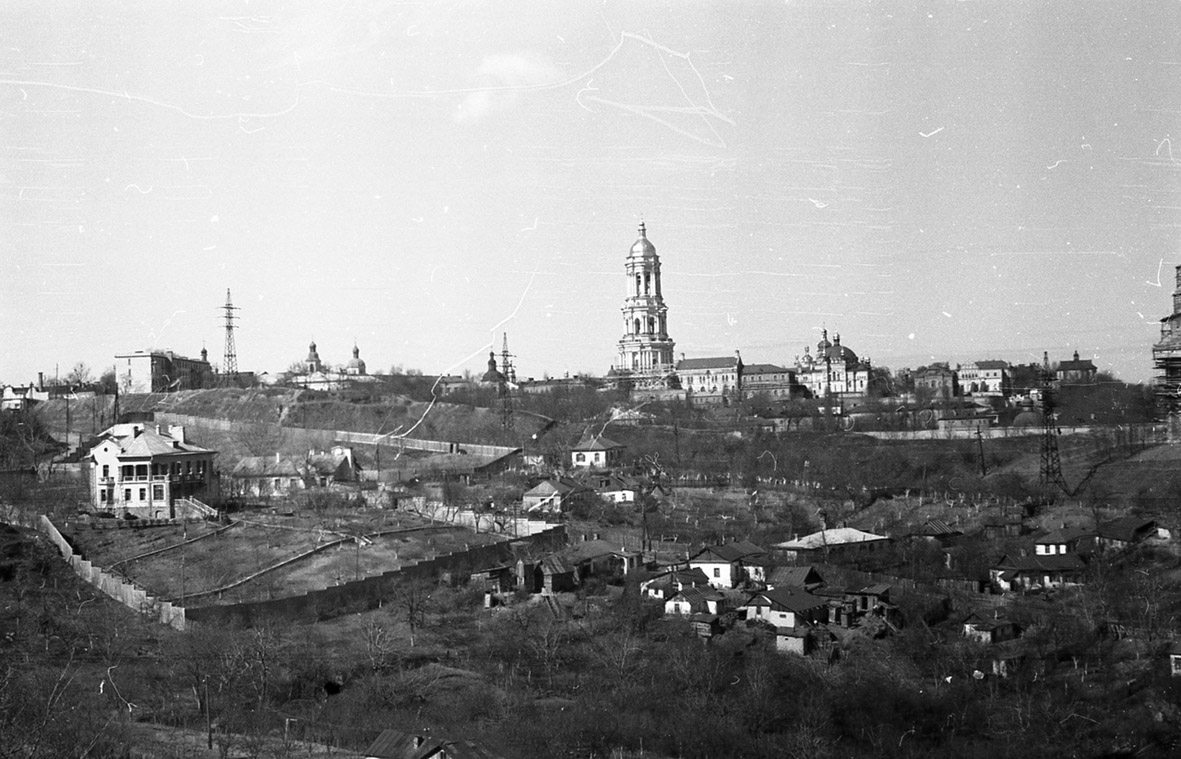
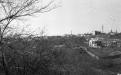
To take the next four pictures, the photographer had to cover a considerable distance and climb the hill, where the bowl of the Eternal Fire is now located. The photo is taken according to the concept of panoramic shooting when several overlapping images are taken (Ill. 6-9). The first picture shows a large two-story mansion. This is a former house of the commander of the Kyiv Military District. It was built in 1946 according to the project of the Military Design Institute. Stylized baroque forms were used to decorate the house. At the same time, there appeared the canteen, the cellar, the guard room, and the greenhouse. The main alley, side paths, flower beds and a fountain were laid in the place to decorate it. Besides, linden, maple, oak and fruit trees were also planted there. The mansion was the residence for several marshals (such as, A. Grechko (1946–1974), P. Koshovy, V. Chuikov), and other district commanders. In 1974–1976 the building was used for kindergarten purposes, and since 1977 the directorate of the abovementioned Memorial complex started functioning here. The following pictures show the private houses of Zapecherna Street residents. Today, one can find the picturesque landscape park in this place.
The last picture was taken from the spot that the photographer approached by going around the hill and shifting a little to the southeast. There we can see the same houses, but from a slightly different angle (Ill. 10).
Next release of “Memories of Kyiv-Pechersk Lavra” photo project will return to the 1970s and will be dedicated to the activities of the staff of Kyiv-Pechersk Preserve.
Captions to the illustrations:
1. Landscape of the Lower Lavra territory viewed from the Observation Platform
2. Architectural ensemble of the Far Caves
3. Moscow Gate of Pechersk Fortress
4-5. Kovnir’s Bell Tower in the territory of Far Caves.
6-10. Zapecherna Street Settlement


/socialmedia/icons/levelten/glossy/32x32/youtube.png)
/socialmedia/icons/levelten/glossy/32x32/facebook.png)
/socialmedia/icons/levelten/glossy/32x32/twitter.png)