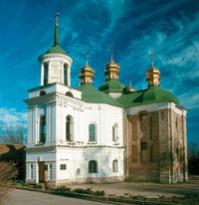
Kyiv-Pechersk Curiosities
 Did you know that
long before the late 18th - early 19th centuries, Kyiv dry jam was to the taste not only of the tsar’s family and their courtiers, but also of European admirers of fruit delicacies. Lavra monks were so successful in the art of sugaring fruits and berries that their products were served in the Archimandrite's private quarters during the receptions of the most honored guests, such as Macarius Patriarch of Antioch in 1654. Every year, the Lavra supplied sweets of its own production to the Hlukhiv residence of Hetman Kyrylo Rozumovsky (1750–1764) and presented them as gifts to the crowned persons.
“Snacks” (candied fruits) were made from the fruits of the monastery gardens. Since the freshly harvested fruit came to the Lavra wine and food cellar, where wine was made from grapes, and cherries and plums were used to make liqueurs, the Lavra masters of candied fruits also worked there. Canary cane sugar was used for sugaring fruits and berries. Candied fruits (cherries, sweet cherries, barberries, cornel berries, grapes, gooseberries, canker berries, green walnuts, plums, bergamots, and rose petals) were stored and transported in jars, made of birch bark, and later glass.
Picture captions:
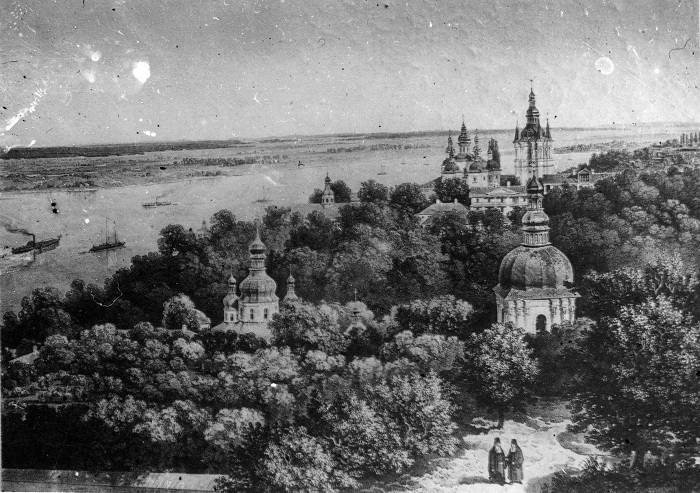
1. Kyiv-Pechersk Lavra was famous for its gardens. Monks made exquisite sweets - candied fruits and berries from monastery gardens’ fruits in the Lavra wine and food cellar.
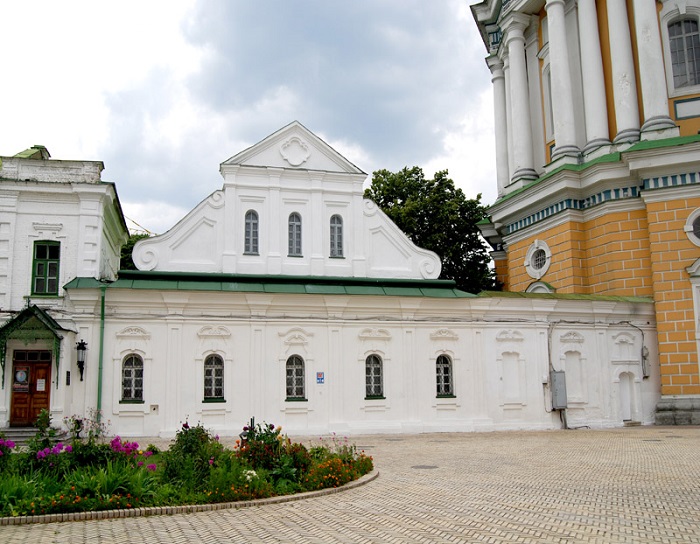
2. Father Superior's house (eastern facade) built over the old Lavra wine and food cellar, where “snacks” (candied fruits) were made in the 18th century.

/socialmedia/icons/levelten/glossy/32x32/youtube.png)
/socialmedia/icons/levelten/glossy/32x32/facebook.png)
/socialmedia/icons/levelten/glossy/32x32/twitter.png)