National Kyiv-Pechersk Historical and Cultural Preserve has joined the challenge #MuseumFromHome
 Dear Friends!
Take a trip to our virtual museum during your coffee or tea break and make your #quarantinediscoveries!
Admire unique cultural assets of the Museum Fund of Ukraine!
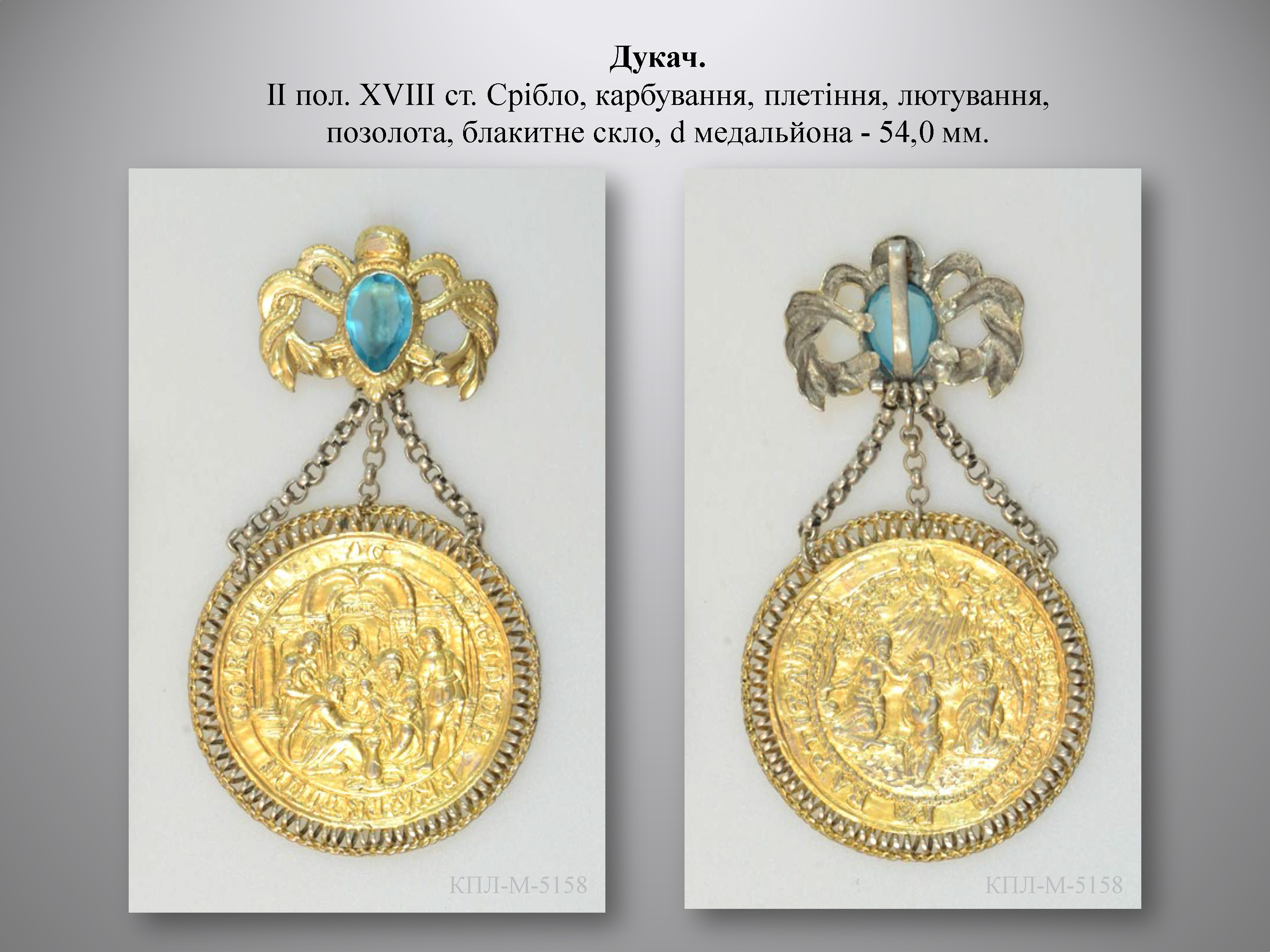
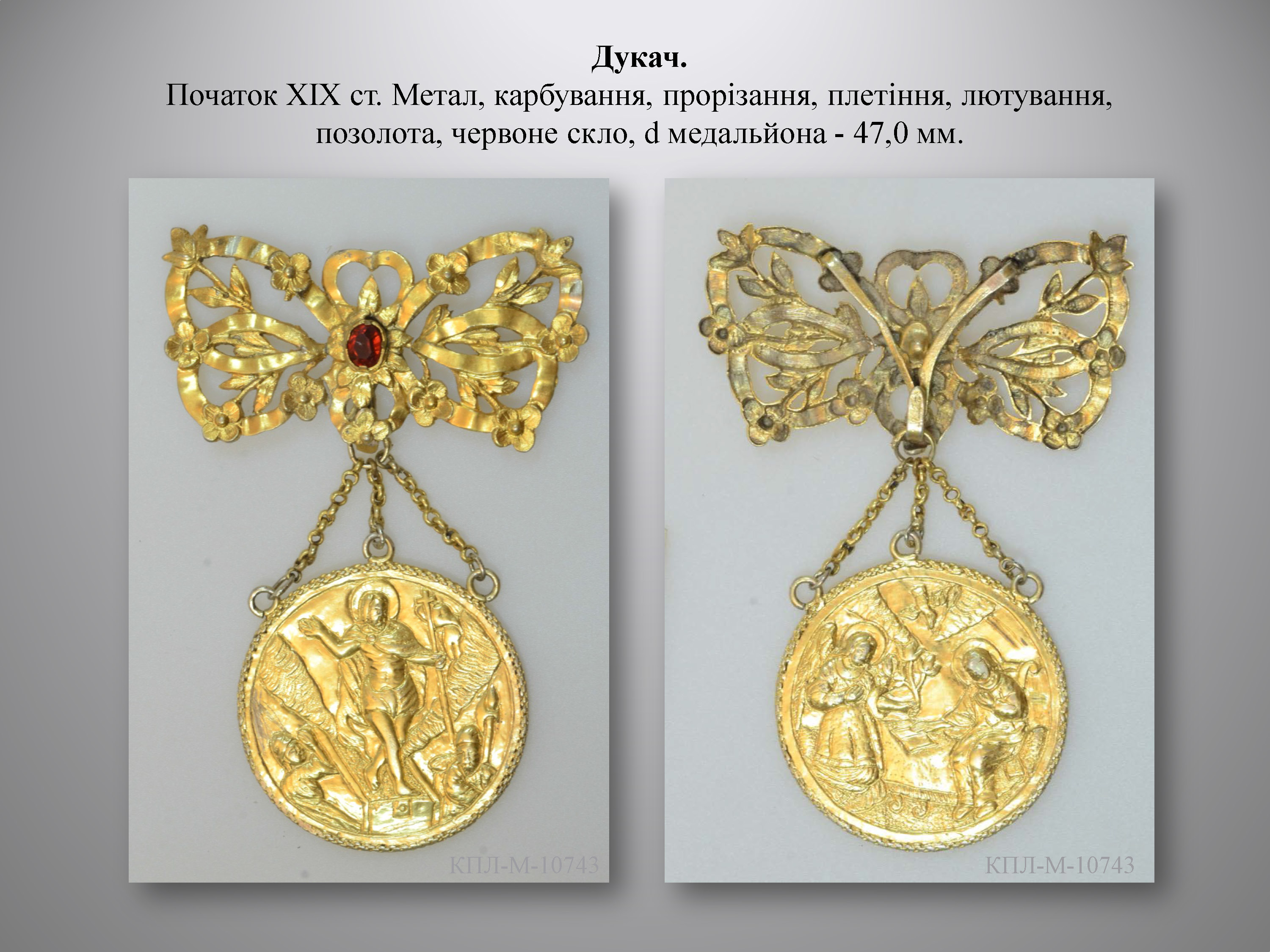
In Ukraine in the 17th and early 20th centuries, "Dukachi” became widely popular as women's neck jewelry. The term "Dukach” comes from the name of European gold ducat coins, which have long been in circulation in Ukrainian lands. These secular and religious breast adornments, having the form of medallions with eyes for hanging, were made of gold, silver or copper alloys. Embossed or cast icon pendants with religious subjects, as well as coins, religious medals and their replicas were used as medallions. From the second half of the 18th century, pendants were often framed with twisted wire; the eye was decorated with a brooch - the so-called bow. In fact, dukach was the most valuable of Ukrainian traditional women's jewelry.
The former Preserve chief keeper, Hryhoriy Polyushko, studied this phenomenon of Ukrainian culture on the example of dukachi stored in the Preserve collection. This collection is represented by adornments made at different times in different parts of Left-Bank Ukraine. Some exhibits came to us from the Church and Archaeological Museum, Nizhyn Museum and Saint-Sophia of Kyiv.
These items were recently restored by the Preserve's fine art restorers Natalia Onoprienko and Vitaliy Kurlov and were on display at the National Museum of Ukrainian History. We offer some of the "Dukachi” to your attention, namely:
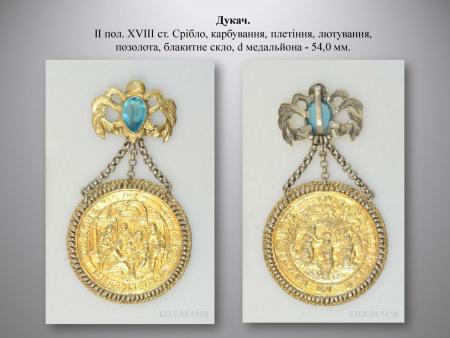
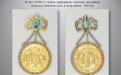
1. Dukach. The second half of the 18th c. Silver, minting, braiding, soldering, gilding, blue glass, medallion d 54.0 mm. The head side depicts the scene of the Circumcision of Christ, and the reverse features the Baptism of Christ (reproduction of the Western European baptismal medal). КПЛ-М-5158.
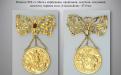
2. Dukach. Early 19th c. Base metal, minting, slotting, braiding, soldering, gilding, red glass, medallion d 47,0 mm. The head side depicts the scene of the Resurrection, and the reverse features the Annunciation scene. КПЛ-М-10743.
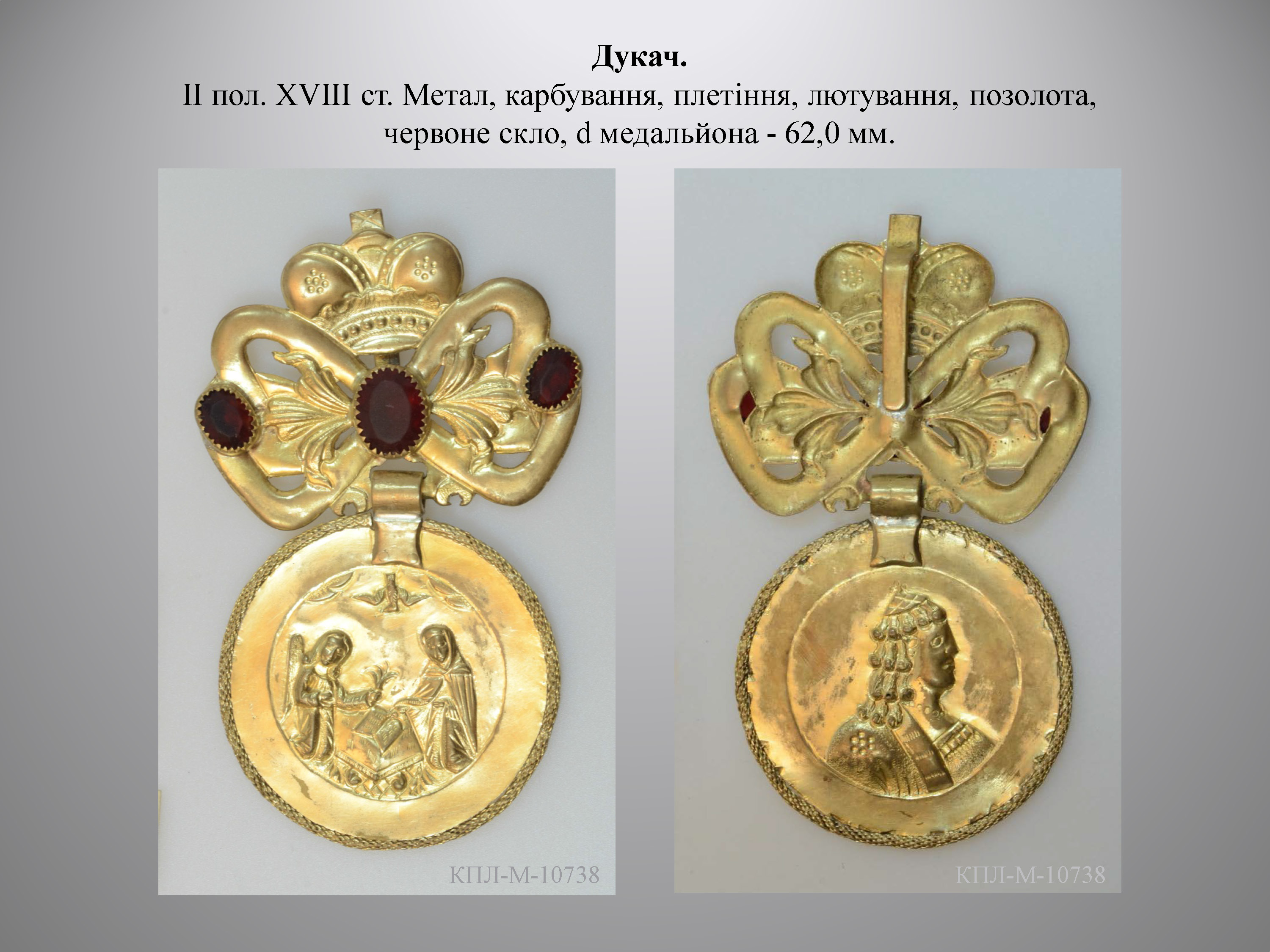
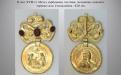
3. Dukach. The second half of the 18th c. Base metal, minting, braiding, soldering, gilding, red glass, medallion d 62,0 mm. The head side depicts the scene of the Annunciation, and the reverse features a female profile. КПЛ-М-10738.
Let’s #stayathome and discover the beauties of the Preserves collection together!
#museumfromhome, #museumcoffeebreak, #museumteabreak
/socialmedia/icons/levelten/glossy/32x32/youtube.png)
/socialmedia/icons/levelten/glossy/32x32/facebook.png)
/socialmedia/icons/levelten/glossy/32x32/twitter.png)