National Kyiv-Pechersk Historical and Cultural Preserve has joined the challenge #MuseumFromHome
 Dear Friends!
At a time when the world is suffering from a pandemic, the figures of prominent healers of the past are attracting particular attention. St. Agapit Pechersky was a famous unmercenary physician of the Kyiv-Pechersk Lavra. For the Day of the Holy Healer, we present to your attention his image in the artifacts of the National Kyiv-Pechersk Historical and Cultural Preserve.
Take a trip to our virtual museum during your coffee or tea break and make your #quarantinediscoveries!
The commemoration of St. Agapit, one of the most famous Pechersk saints, is celebrated on June 14 N.S. (on June 1 O.S.). The name of the Saint comes from the Greek word “agape”, translated into Ukrainian as “love”. St. Agapit as a merciful healer constantly showed love for people throughout his life. Word 27 of the Kyiv-Pechersk Patericon (first third of the 13th century) is dedicated to the unmercenary physician who had the gift of healing from the Lord.
A Kyivan, he took the monastic vows during the life of St. Anthony of Pechersk and, as his follower, began to help the sick. If one of the brothers was ill, Agapit came to his cell and cared for the sick, constantly praying to God for his healing. People began to come to the Pechersk healer but he kept his vows and never went beyond the monastery walls. He gave the sick his own food under the guise of a medicinal potion but healed by prayer. The selfless physician never took anything for treatment, so as not to lose the gift of God for the sake of gold. Patericon tells about the absent healing of Volodymyr Monomakh by Agapit when the prince ruled in Chernihiv.
At that time, a famous doctor, an Armenian by birth, lived in Kyiv. He was a connoisseur of the healing potion but had completely different principles. He predicted and told the patient the exact time of the latter's death but left him without treatment. The Armenian was obsessed with envy of the Pechersk healer, who repeatedly healed those doomed to death. When Agapit himself became seriously ill, despite the Armenian's predictions, he lived not three days, but three months, as he predicted by himself. After the death of Agapit, the doctor, according to the Saint, was baptized in the Orthodox faith and took the monastic vows in the Pechersk Monastery.
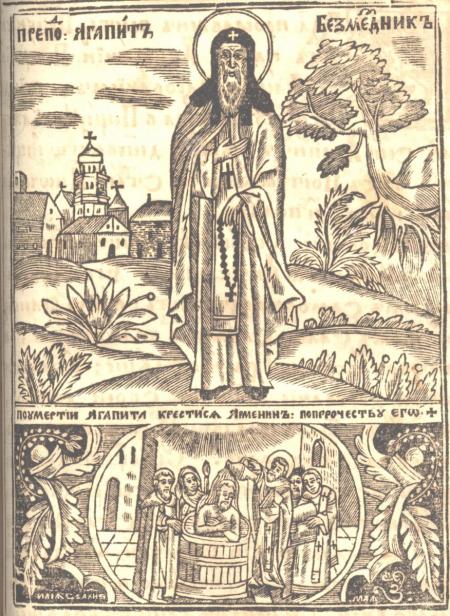
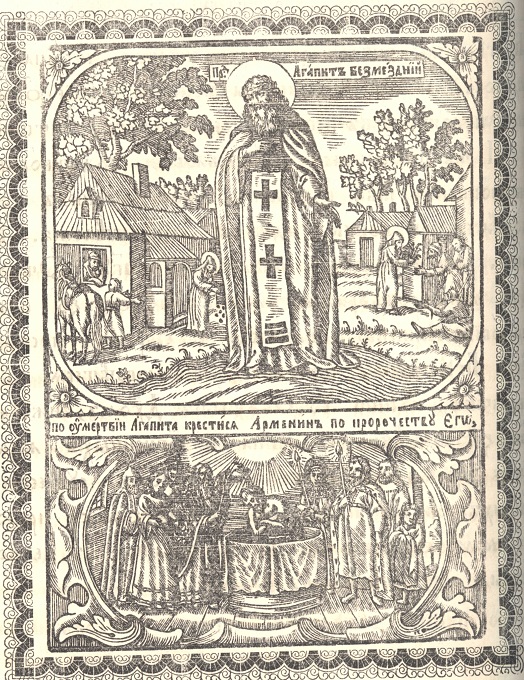
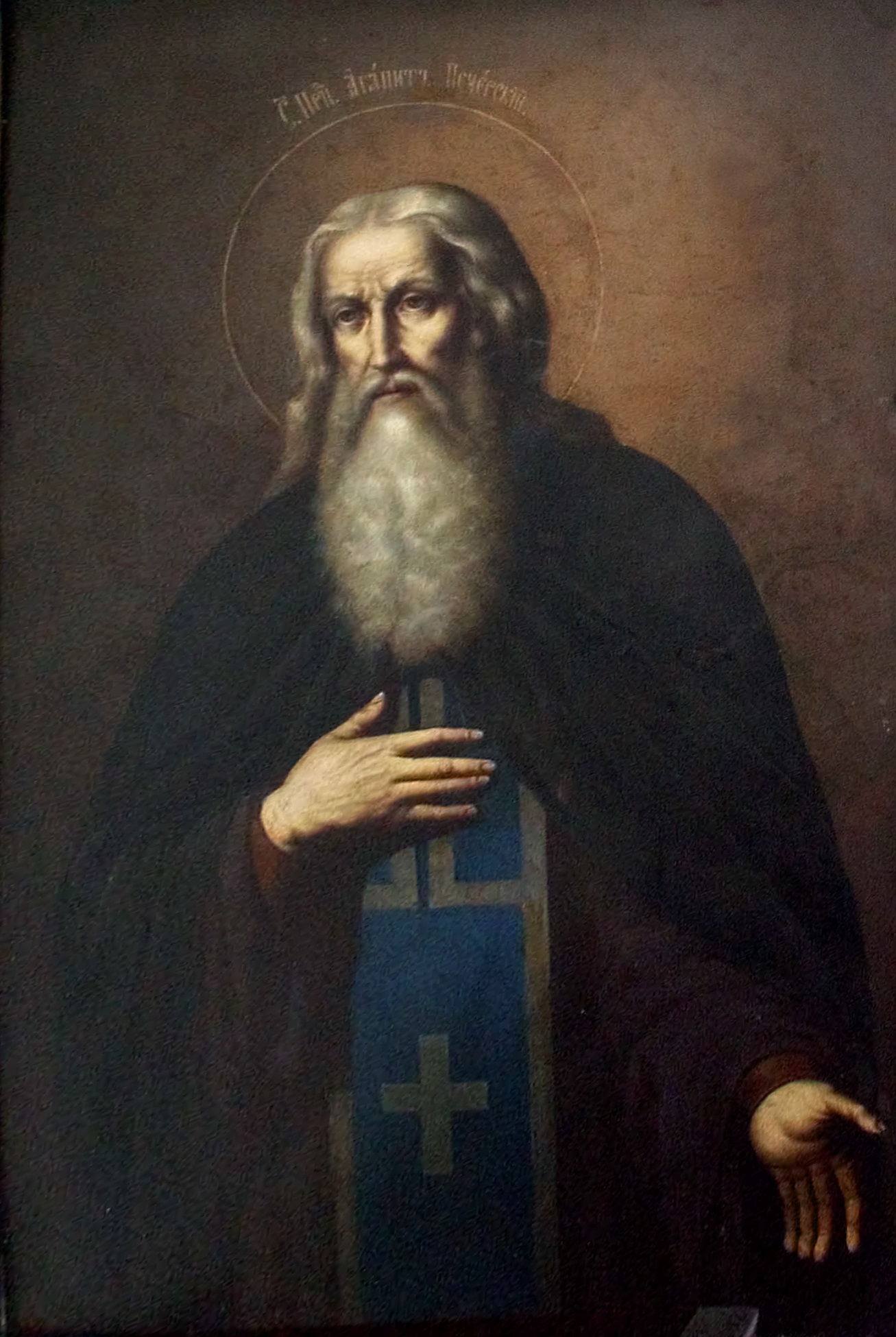
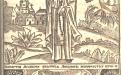
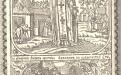
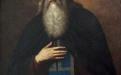
Engraved illustrations of early printed books from the Preserve collection – “Patericon Pechersky” (1661) and the publication “Services to the Reverend Pechersk Fathers” (1763) feature St. Agapit standing in the middle of the monastery courtyard. The scene of the baptism of the Armenian is depicted at the bottom of the figure. The icon near the shrine with the relics of St. Agapit in the Near Caves was painted in the 1840s by Lavra icon painters who worked under the direction of hieromonk Irinarkh. In the paintings of the Church of All Saints, made in 1906 by students of the Lavra Icon Painting School under the direction of Ivan Izhakevych, St. Agapit is represented on the arch of one of the northern windows. An unusual iconographic detail is a plate with carrots in the hands of the Saint. In that way, according to Patericon, the food that the healer gave to the sick as a medicinal potion was presented. Modern icon painters often depict St. Agapit with a bunch of medicinal herbs in his hands.
Let’s #stayathome and discover the beauties of the Preserve’s collection together!
#museumfromhome, #museumcoffeebreak, #museumteabreak
List of figures:
Fig. 1. St. Agapit of Pechersk. Engraver Elijah. Illustration to Kyiv-Pechersk Patericon. 1661
Fig. 2. St. Agapit of Pechersk. Engraver Leontiy Tarasevych. Illustration to the publication “Services to the Reverend Pechersk Fathers”. 1763
Fig. 3. St. Agapit of Pechersk. Lavra Painting School (headed by hieromonk Irinarkh). The 1840-s. Icon near the shrine with the relics of St. Agapit in the Near Caves of the Kyiv-Pechersk Lavra
Fig. 4 St. Agapit of Pechersk. Lavra Painting School. 1906 (headed by Ivan Izhakevych). Church of All Saints of the Kyiv-Pechersk Lavra. Painting of the window arch in the northern part of the transept


/socialmedia/icons/levelten/glossy/32x32/youtube.png)
/socialmedia/icons/levelten/glossy/32x32/facebook.png)
/socialmedia/icons/levelten/glossy/32x32/twitter.png)