Dear friends!
Let us introduce the new release of “In memory of Kyiv-Pechersk Lavra” photo project to you
Today we would like to tell you about the monasteries located on the so-called Zvirynets hill, the upland, next to the hill occupied by Kyiv-Pechersk Lavra. The area south of Lavra and behind the Nаvodnytsky Ravine was named “Zvirynets” as far back as in the times of Kyivan Rus. They say that this very area had the protected status and was used for princely hunting. Both, Pechersk and Zvirynets hills were the areas where monastic life originated in mid-11th century. Since the Middle Ages, the place also became known for the cave monastery that functioned there.
Today Zvirynets hill is a well-known place for Kyiv citizens. First of all, its popularity is associated with the NASU National Botanical Garden named after Mykola Hryshko. The garden is located on almost 130 hectares and is one of the leading arboretums in Europe. It has the rich collection of live plants, big territory and high level of scientific research. Besides, there is still room for the spiritual life here: three monasteries, such as Vydubychi Monastery, Holy Trinity Monastery of St. Jonah and Zvirynets Monastery, named after Archangel Mykhailo, are situated on the territory of the Botanical Garden or its immediate vicinity.
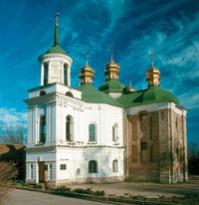
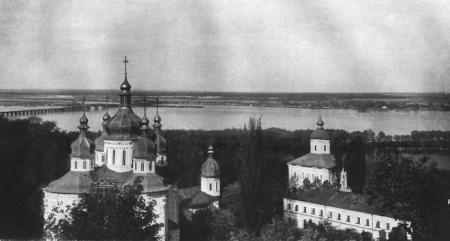
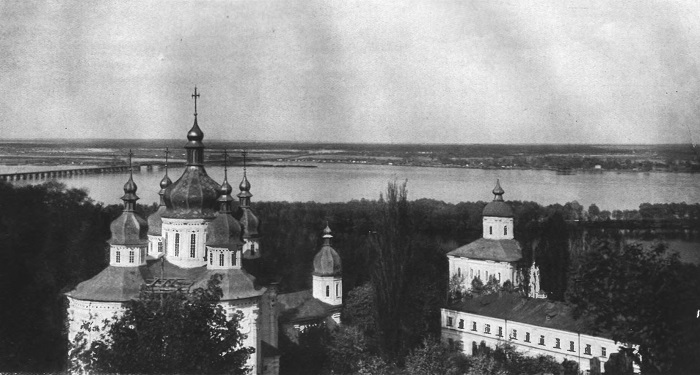
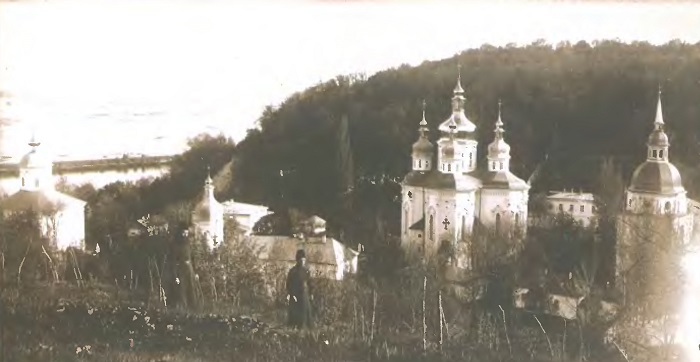
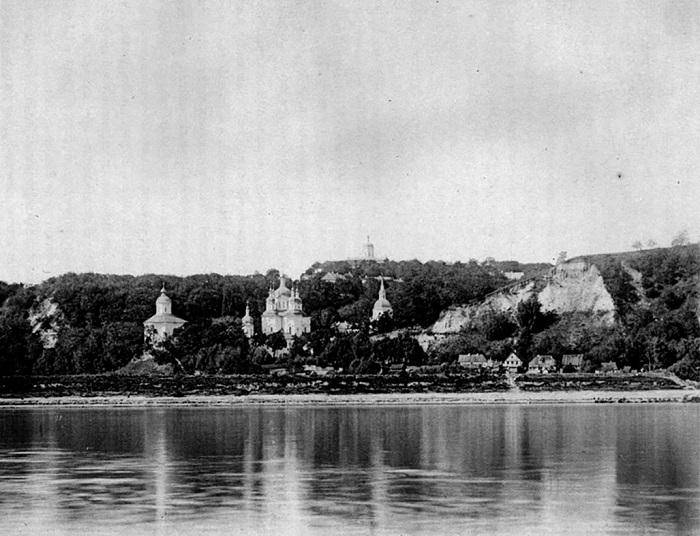
The oldest and most famous among them is Vydubychi Monastery. It was founded between 1054 and 1070 by Vsevolod, the son of Yaroslav the Wise. The place chosen for the future monastery was near the Dnieper River crossing. For many centuries, the prestige of Vydubychi Monastery was almost the same as that of Kyiv-Pechersk Lavra (in terms of its wealth and level of influence). Disputes between the two ancient monasteries escalated in the end of the 16th century and later, when Vydubychi Monastery fell into the hands of the Uniates. In 1637, due to the efforts of Petro Mohyla, the Monastery returned into the fold of the Orthodox metropolis, but the lawsuits for the church lands continued to be argued between the monasteries. Especially dissatisfied was Lavra’s fraternity as the right to own the Dnieper River crossing was transfered to Vydubychi Monastery that had always been the source of considerable income. The decision was taken by Oleksiy Mykhailovych, the tsar of Moscow. However, the secularization of the church lands in 1786 caused a devastating blow on the Monastery. The latter was deprived of all types of property and was rated as the monastery of the third, the lowest, class. Only in the middle of the 19th century the category of the Monastery was upgraded.
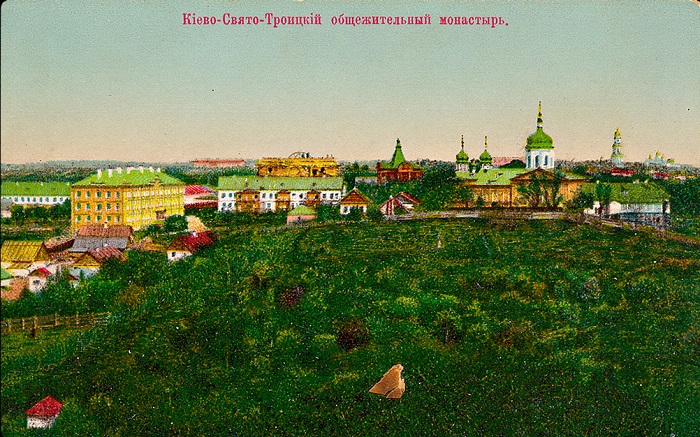
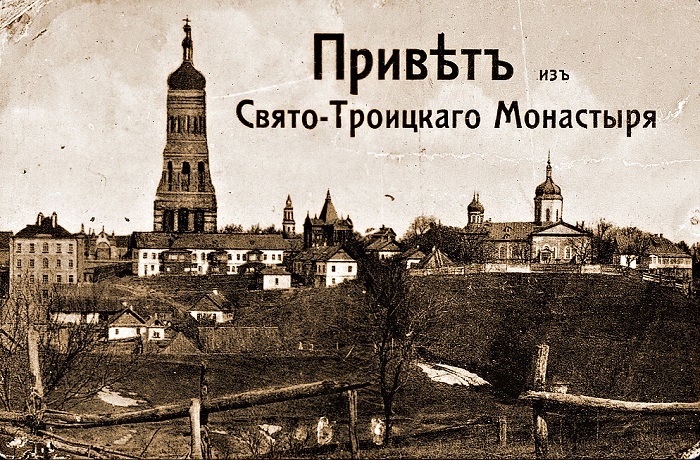
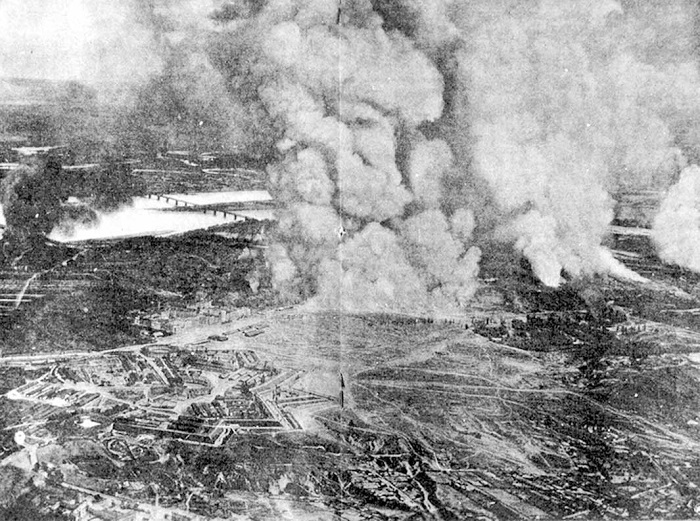
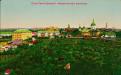
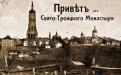
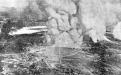
Shortly afterwards, Jonah Myroshnychenko, the hieromonk of the Vydubychi Monastery, initiated the creation of another monastery in Zvirynets hill, known as the Holy Trinity Monastery of St. Jonah. In 1866, Jonah Myroshnychenko received permission to establish the monastery that had to have the operating hospital and the children's shelter. It was done with the help of Kateryna Vasylchykova, his spiritual daughter and the wife of Kyiv’s Governor-General. The monastery expanded rapidly. Soon the number of its monks reached 600 people. In the early 20th century the local monastic community entered into rivalry with Kyiv-Pechersk Lavra. The project of the Bell Tower, which was to exceed the corresponding Lavra’s site, was developed. Postcards, depicting the new Bell Tower, the tallest in Kyiv, started to be printed. But it was never completed due to the outbreak of the First World War. In addition, on June 5, 1918, artillery depots located in the Zvirynets hill, exploded. That incident caused significant loss to the monastery.
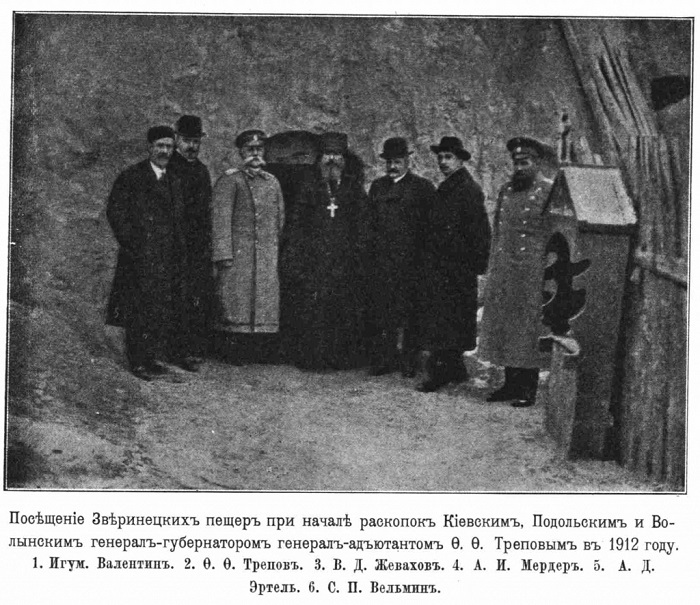
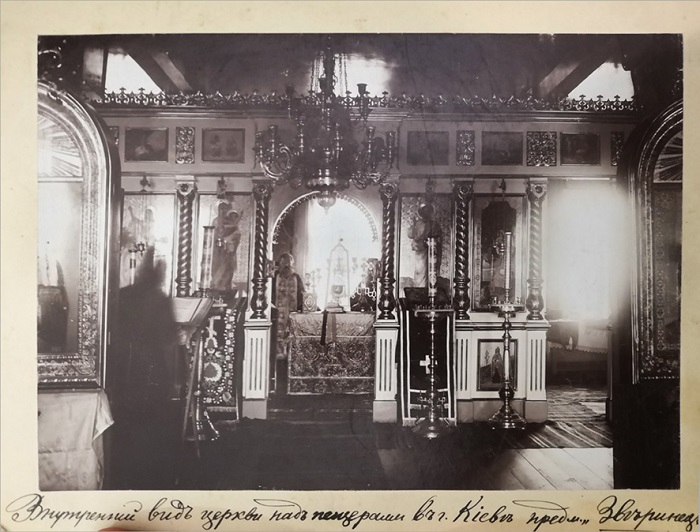
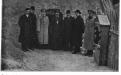
All the inhabitants of the Zvirynets hill, including the monks of the Zvirynets skete (founded 5 years earlier and transformed into the independent monastery in 2009), suffered greatly as a result of that terrible explosion. Zvirynets skete was founded over cave passages with burials, which were opened in 1888. In 1912, researchers Oleksandr Ertel and Ivan Kamanin examined cave passages again and concluded that it was a cave cemetery of the monastery, unknown from the written sources. They suggested that it could, perhaps, date to approximately 12th-15th centuries. Thanks to the cave wall graffiti that depicted the list of Father Superiors, the monastery got its name and became known as Zvirynets Monastery. In 1913, Valentyn, the monk of the Holy Trinity Monastery of St. Jonah, founded the Zvirynets skete. The activity became possible due to the permission of the metropolitan. That same year, the Church of the Nativity of the Blessed Virgin was built above the caves.
The next release of “In memory of Kyiv-Pechersk Lavra”
photo project will contain the information about the photos of Kyiv-Pechersk Lavra taken by the German photographers in 1918.
Captions to the photos:
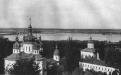
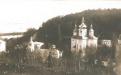
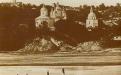
1. Vydubychi Monastery, early 20th century.
2. Vydubychi Monastery, 1901
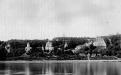
3. Vydubychi Monastery. View from the Dnieper River: a) the end of the 19th century; b) the beginning of the 20th century.
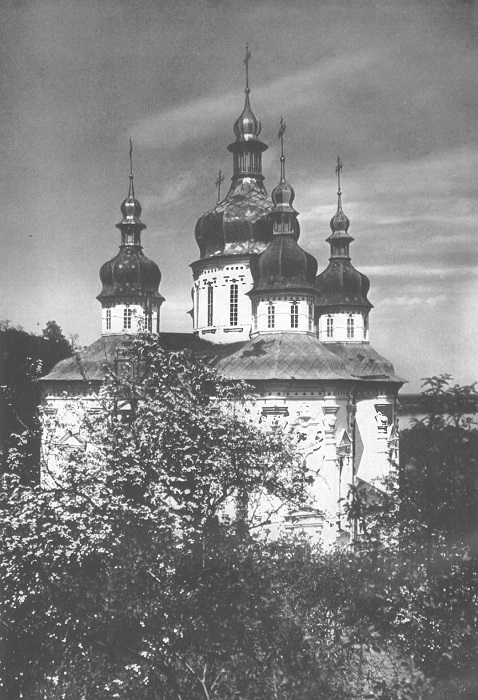
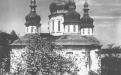
4. St. George’s Church of Vydubychi Monastery, early 20th century.
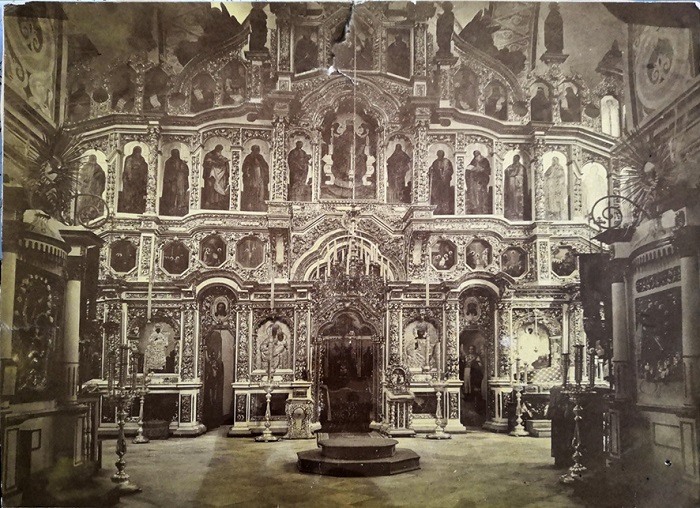
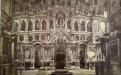
5. Iconostasis of the Church of St. George (KPL-F-11210)
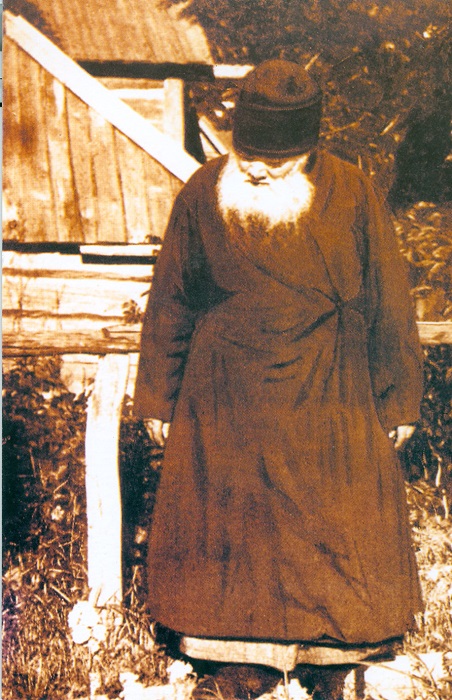
6. St. Jonah Kyivsky
7. Holy Trinity Monastery of St. Jonah. Postcard of the early 20th century.
8. Holy Trinity Monastery of St. Jonah with the image of a non-existent Bell Tower. Postcard, early 20th century.
9. Explosion at the Zvirynets hill, 1918
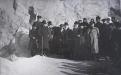
10. Excursion to the Zvirynets caves, 2nd right - Oleksandr Ertel,
November 10, 1912.
11. Visitors to the Zvirynets caves. 3rd left - Ivan Kamanin, 1910s (KPL-N-1468)
12. Interior of the Church of the Nativity of the Blessed Virgin above the Zvirynets caves, early 20th century. (KPL-F-5755)



/socialmedia/icons/levelten/glossy/32x32/youtube.png)
/socialmedia/icons/levelten/glossy/32x32/facebook.png)
/socialmedia/icons/levelten/glossy/32x32/twitter.png)