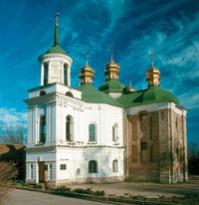
“Memories of Kyiv-Pechersk Lavra” photo project
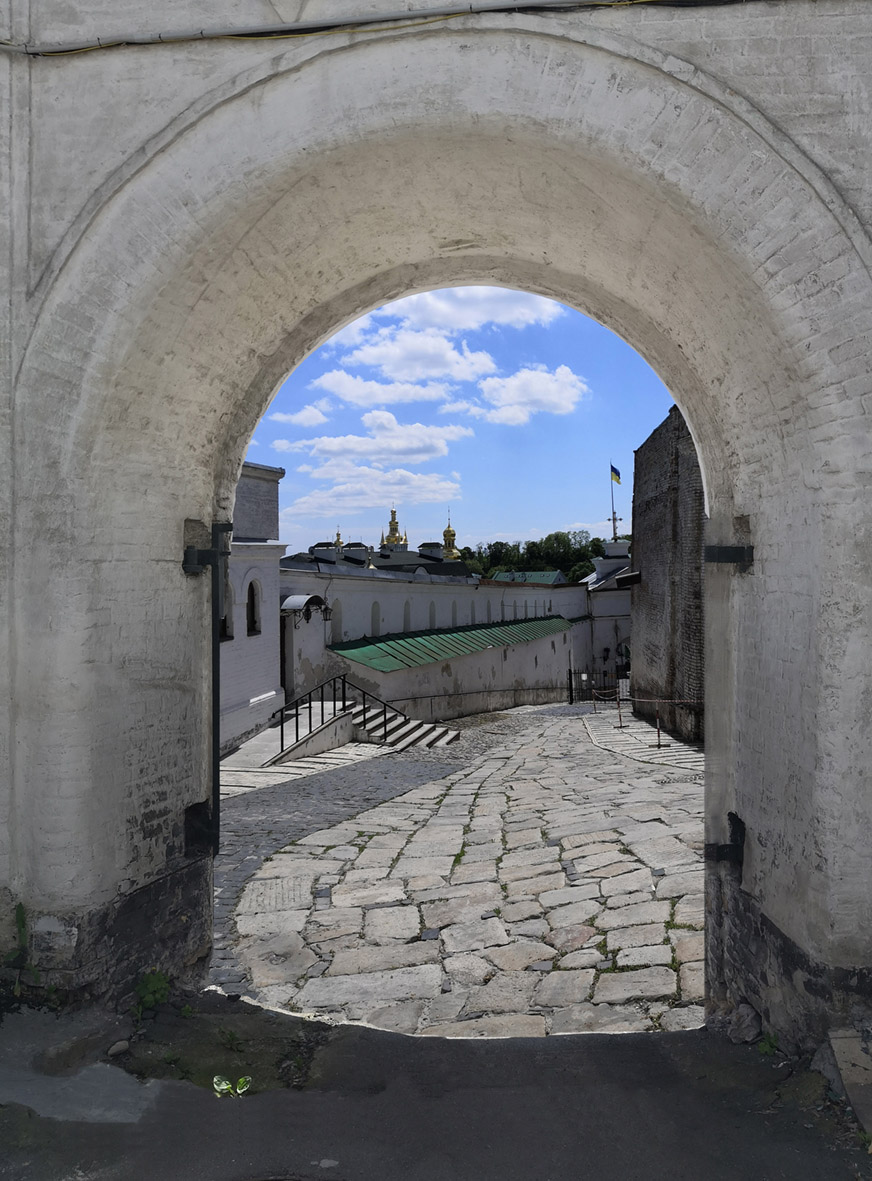
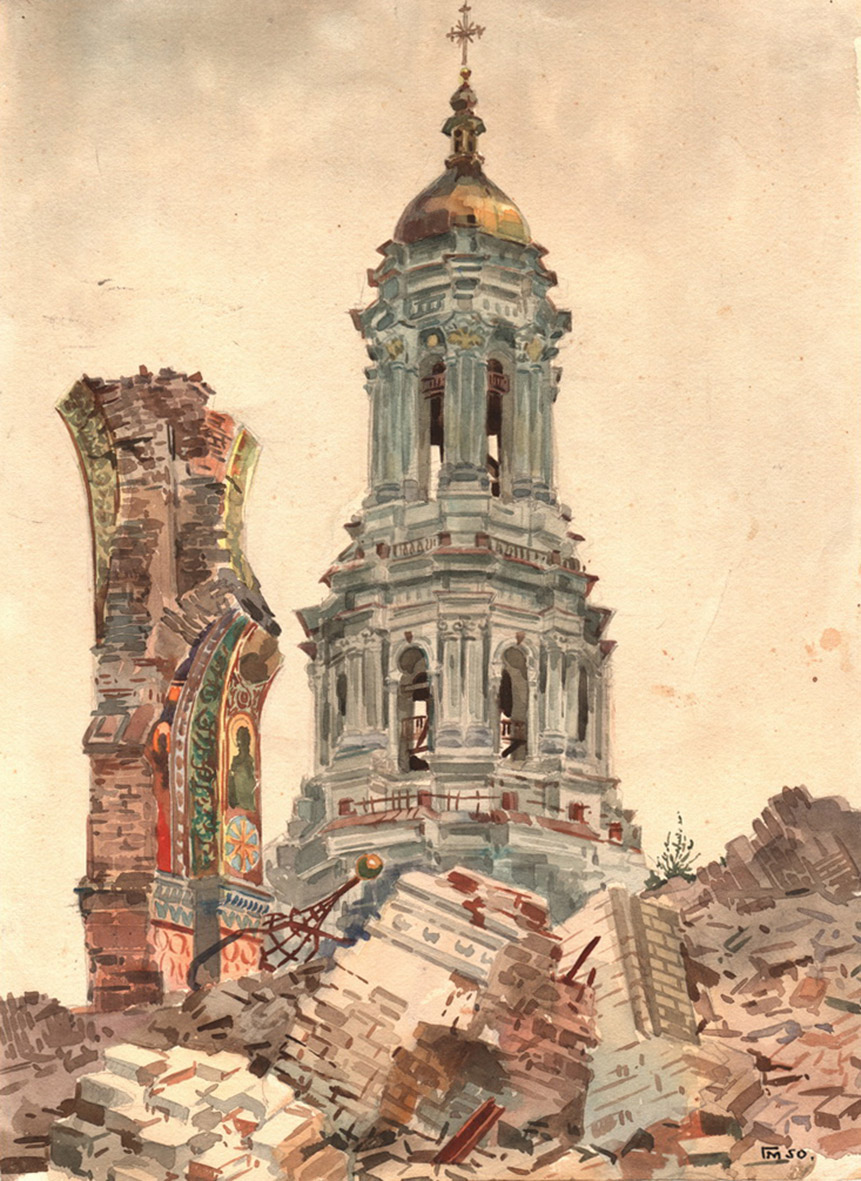
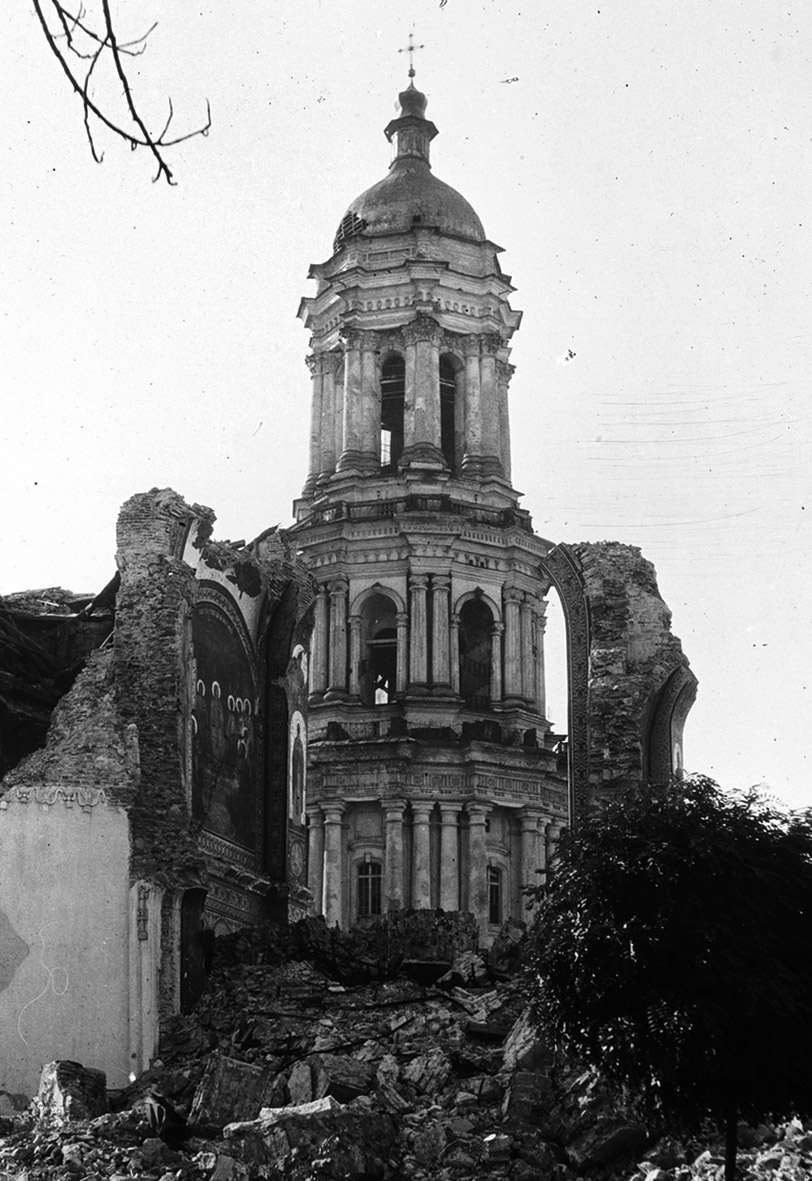
 We continue our story about Lavra’s watercolors painted by Heorhii Malakov. Most of the artist’s works presented in this release date back to 1950. Along with the watercolors, we would like to show to you some modern photos of Kyiv-Pechersk Lavra corners that the artist has once depicted in his paintings. We do this, because some monuments look completely different today (like Dormition Cathedral that was all in ruins then) or have become inaccessible for the visitors. In such situations, old photos or photo collages come to our help.
Below we publish another fragment of Heorhii Malakov's diary notes. In brackets you will find the references to those monuments we are talking about in this release.
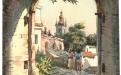
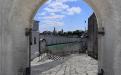
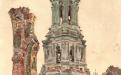
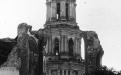
“There is no place in Lavra that I have left unvisited. I am well acquainted with its courtyards, walls, gardens, unbroken and ruined churches. My first visit to this place in Kyiv was in winter, 1941. I came to Lavra with one of my classmates. We attended Museum of History, Museum of Coins and Museum of Weapons. I did not go anywhere beyond Lavra’s main yard then. My second visit to Lavra was in March or early April that same year. At that time, I did not pay much attention to the surrounding buildings, or was interested in their architecture, or antiquity. The main purpose of that visit was the Museum of Weapons. I still remember its exhibits. Venetian daggers with gilded and silver handles in the form of naked women have drawn my eye and were remembered. I also made long stops in front of the stands with sea cleavers and boarding sabers, flintlock pistols of the Spanish brand and knight’s helmets. At those moments I remembered books about pirates and brave knights I was reading then. In May 1941, I somehow went beyond the usual and went further down. The road led to the Near Caves and defensive walls, buried in verdure. Since then I fell in love with these places and started visiting Lavra more and more often. The war interrupted my visits. But in 1943, namely, on June 22, I returned to Lavra again and got into its magical raspberry-yard. I could not stop eating berries that grew there. Slowly I got acquainted with the whole area of the monastery, and, in 1946, I could say quite confidently that I knew everything about Lavra! That was the year when I visited the monastery very often with my colleagues. I remember one gloomy day, when we walked from the Painting Tower to the arch-boutans and could not wait to start drawing (Ills. 1-4). In the building of the former Lavra bakery, our attention was drawn to the spiral staircase that led to the hole in the ceiling. The light was streaming from above and sliding down to the first steps. Everything else was covered with darkness. We did not stay in this house because its ceiling did not seem reliable. We walked through the ruined halls of the Museum of Weapons: I have once been there, and now, when I stepped into the empty opening that was in front of me, the images of tailed shakos and shiny ephesi passed before my eyes. Now there was nothing there, even the floor was absent. One could see only white walls that looked, as if they were whitewashed yesterday. The heating boilers were seen below, the pipes were still bast-covered, but, what one could see everywhere, were the pieces of ceilings and parts of the falling walls. Piles of ancient bricks that belonged to the Dormition Cathedral were near the Bell Tower (Ills. 5-6). The only part that survived was the right wing of the church, but it leant as well. Only one dim drum-dome rose above the ruins. A pillar with images of saints, whose faces were scratched by falling walls, rose alone surrounded by the pile of bricks. All this once crowded place has almost disappeared in the overgrown grass, and got sad and lonely look”.
Next release of the “Memories of Kyiv-Pechersk Lavra” photo project will acquaint you with the photos of Kyiv-Pechersk Lavra made by Dmitro Malakov in the 1950s.
Captions to the illustrations:
1. H. Malakov. Stairs. Lavra. Watercolor, 1950
2. View of the foundry, arch-boutans and the Printing House from the yard of the Printing House. Photo. May 2021
3. H. Malakov. Gateway. Watercolor, 1950
4. View of the descent to the Caves from under the gateway of the yard of the Printing House. Photo collage. May 2021
5. H. Malakov. Great Lavra Bell Tower. Watercolor, 1950
6. Great Lavra Bell Tower. Photo of the late 1940s.
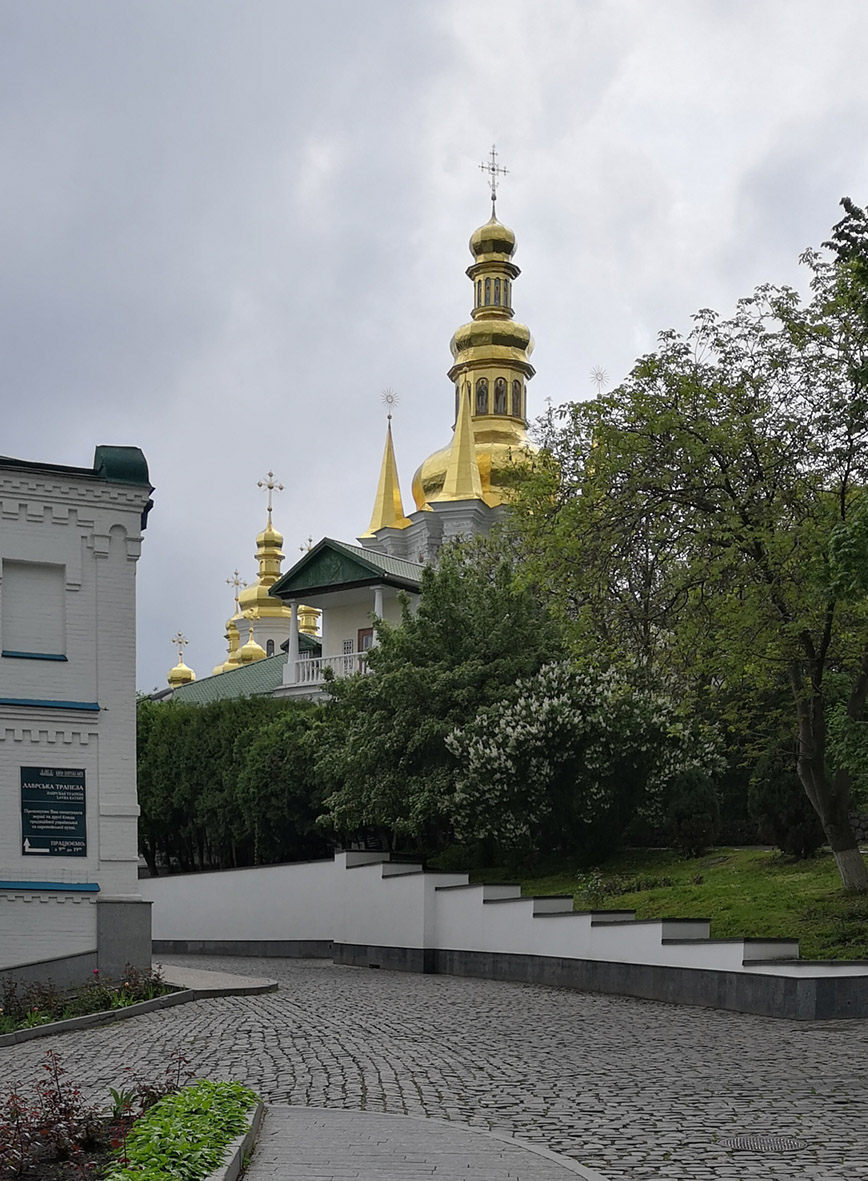
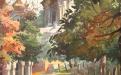
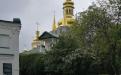
7. H. Malakov. The road to the Far Caves. Watercolor, 1950
8. The road to the Far Caves. Photo. May 2021
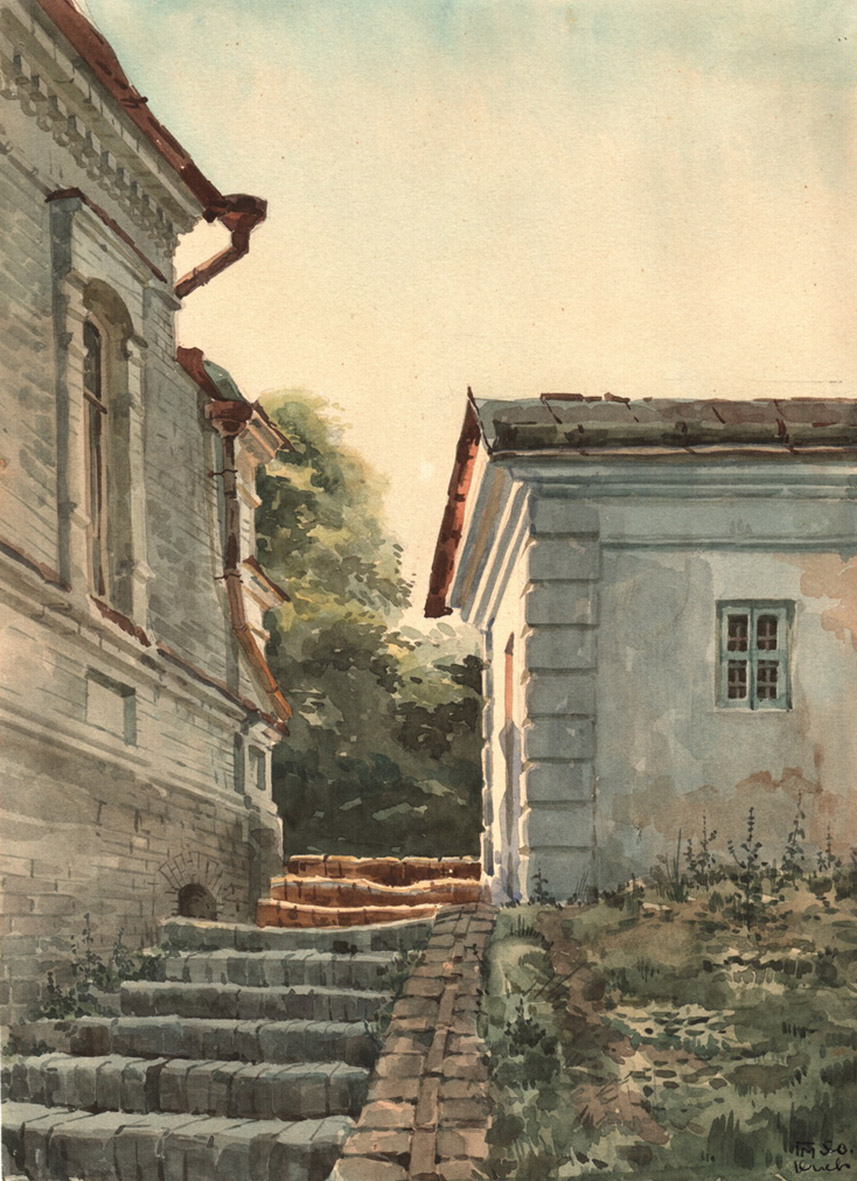
9. H. Malakov. Stairs between the buildings. Watercolor, 1950
10. Stairs between the Church of the Conception of St. Anna and the former sacristy building. Photo. May 2021






/socialmedia/icons/levelten/glossy/32x32/youtube.png)
/socialmedia/icons/levelten/glossy/32x32/facebook.png)
/socialmedia/icons/levelten/glossy/32x32/twitter.png)