“Memories of Kyiv-Pechersk Lavra” photo project Archeological research of the Near Caves of Kyiv-Pechersk Lavra
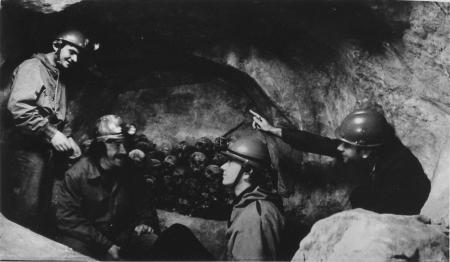 We continue our story about the archaeological research held in the Near Caves of Kyiv-Pechersk Lavra in 1977-1979.
Although full-fledged archaeological work in the caves began only in the spring of 1978, the staff of the Division of the History of Lavra Caves of Kyiv-Pechersk Preserve managed to find some very interesting artefacts already in late 1977 - early 1978. Those findings attracted the attention of professional archaeologists. The items were found under the floor when the cast iron plates were taken away. Among them, one could find the fragments of goods made of wood, ceramics, glass, leather, fabric, as well as coins of the 16th - early 20th centuries.
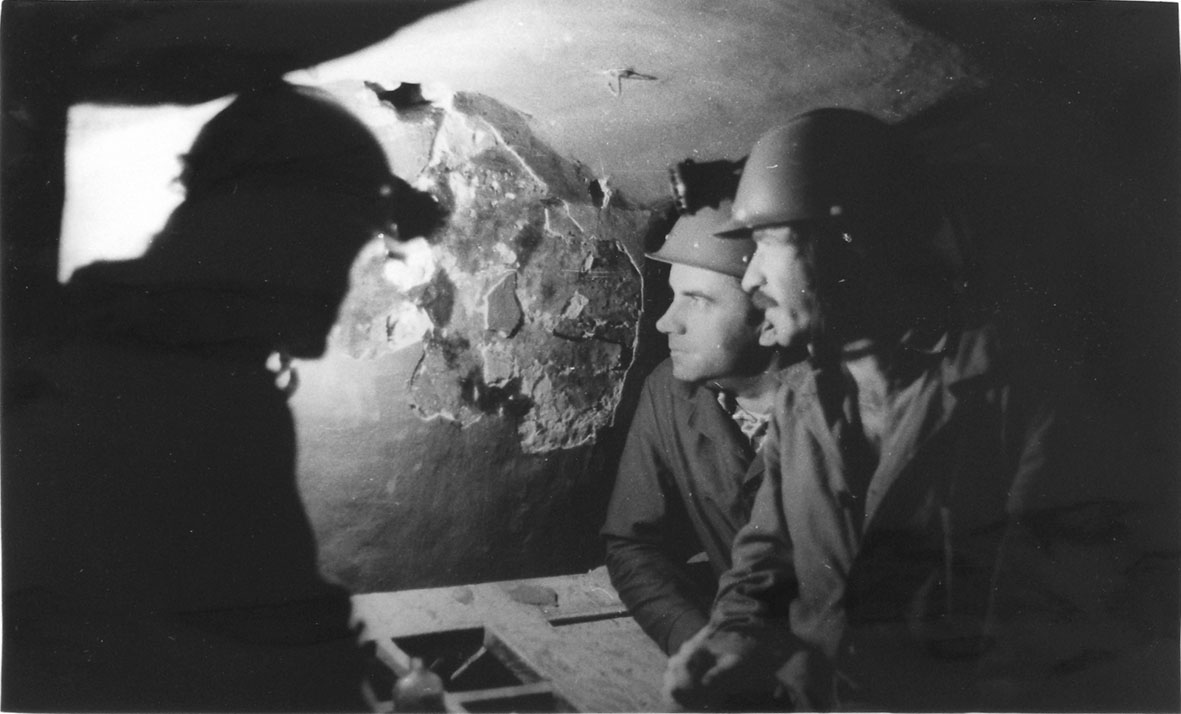
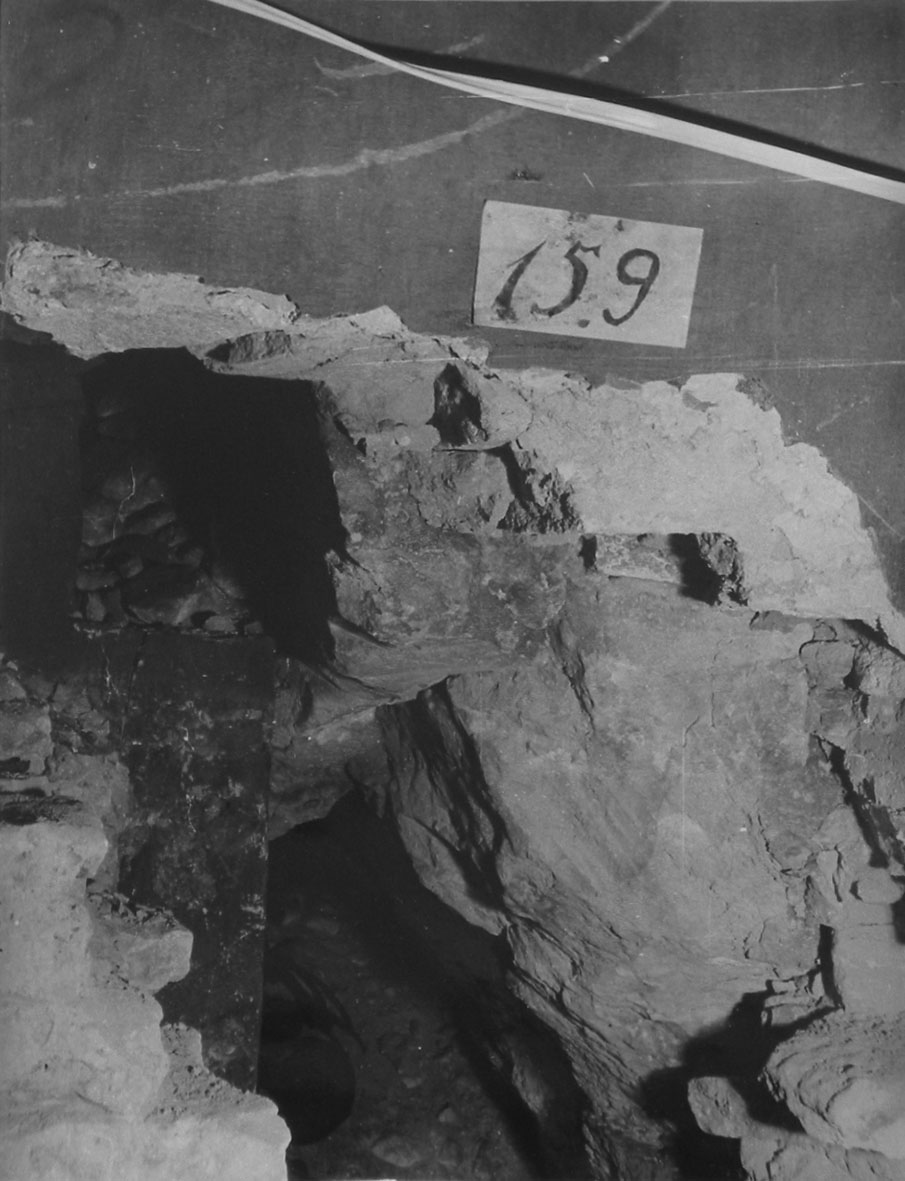
The number of findings started increasing significantly in March 1978. It was when the speleoarchaeological group led by O. Avagyan commenced its work in the caves. The work was organized on a permanent basis and was focused on clearing the ancient branches of the caves. The walls of the branches were explored by means of probing. As a result, the researchers discovered previously unknown archeological objects, such as crypts, locules, “places of seclusion”, etc. On May 22, Maya Tkachenko, a researcher of the Preserve, found forty seven Swedish and Polish-Lithuanian coins of the 16th – 17th centuries in one of the locules. Most likely, they were originally contained in a leather bag, of which only small fragments remained. The discovery of that treasure gave impetus to a new stage of archaeological research. On May 26, an extended meeting of the Scientific and Methodological Council of Kyiv-Pechersk Preserve was held. It was dedicated to the findings of the Near Caves. The Council members took the decision to continue studying the caves/ They approved a draft plan for the excavations, which included the research of the ancient cave corridors, closed to the visitors. Ivan Movchan, a researcher of the Institute of Archeology of the USSR Academy of Sciences, became the supervisor of the excavations.
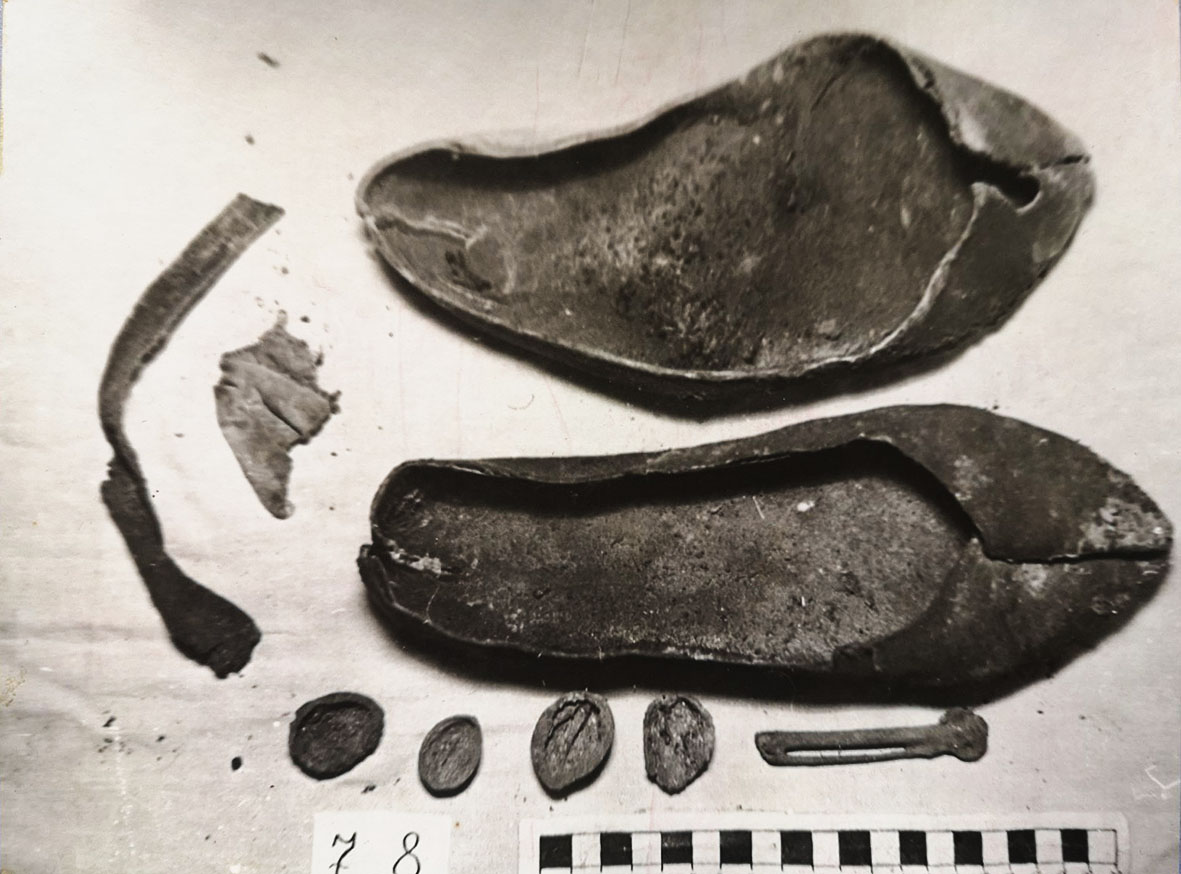
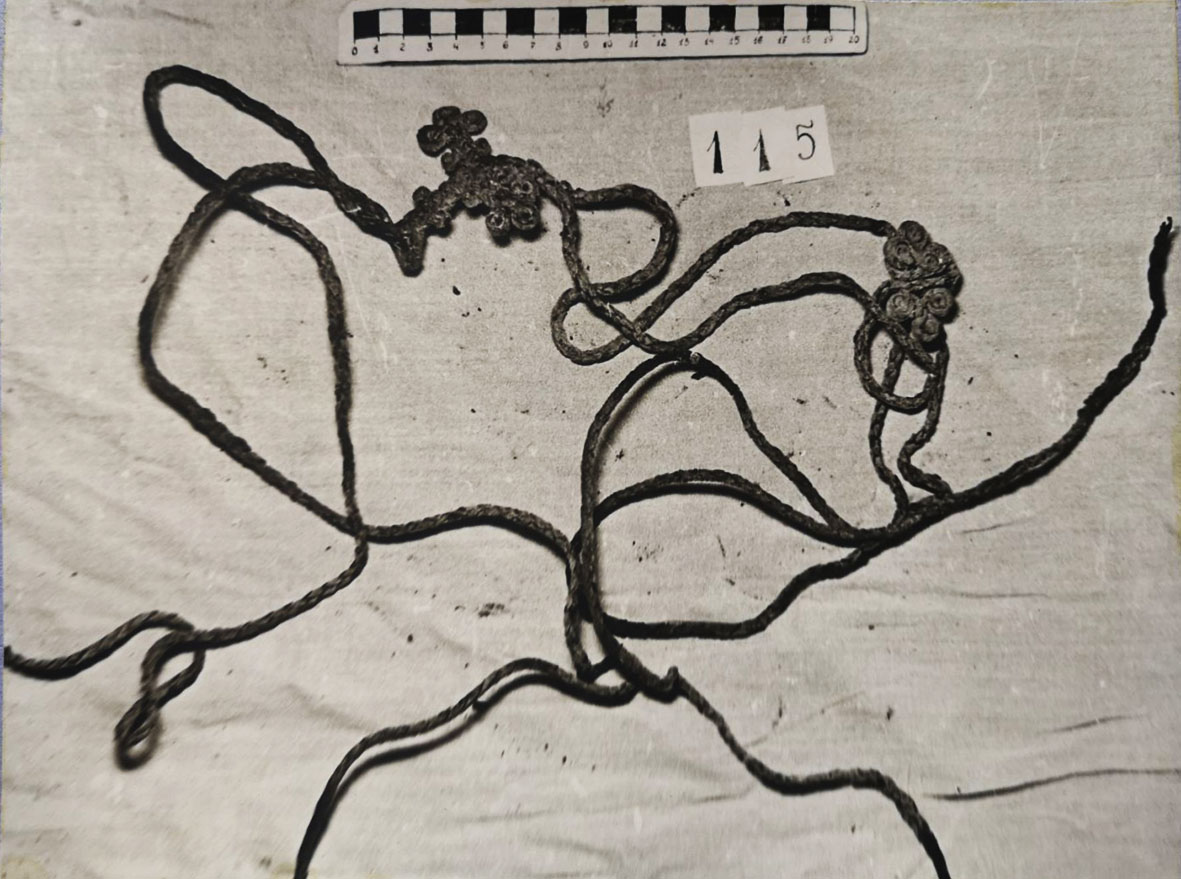
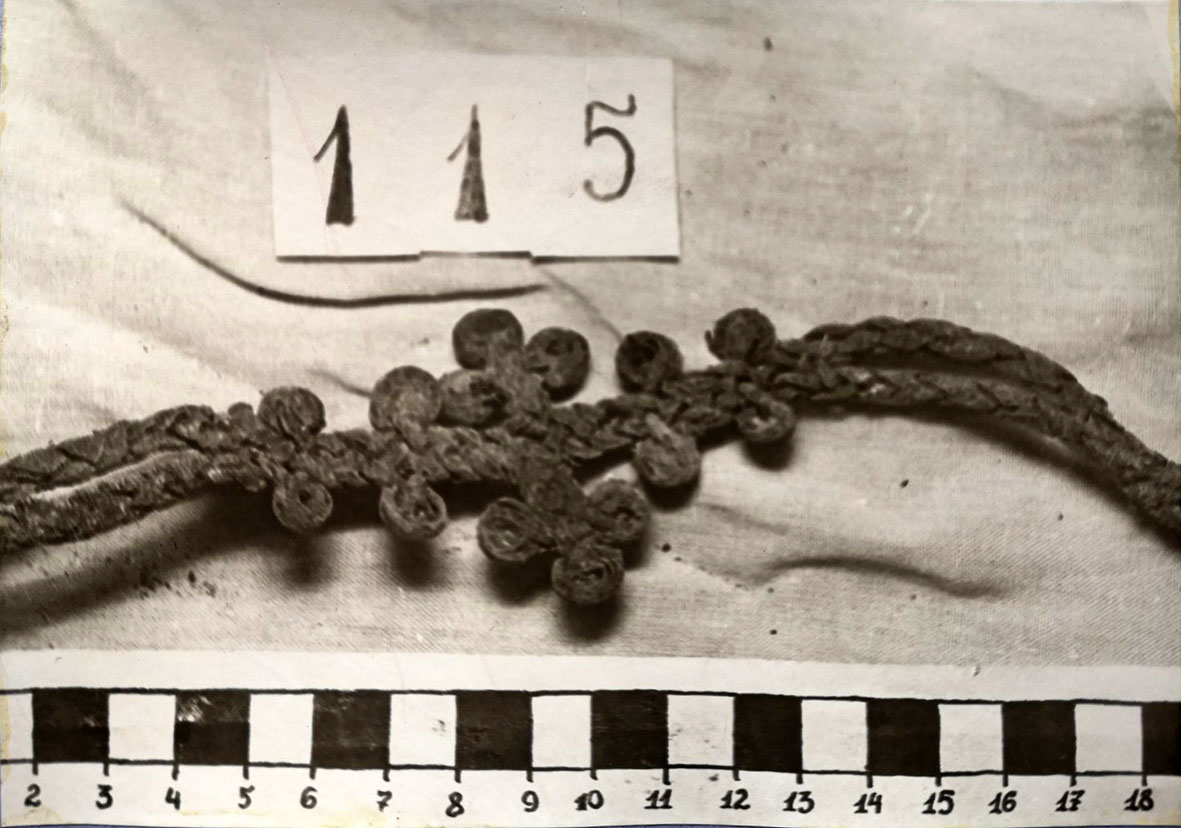
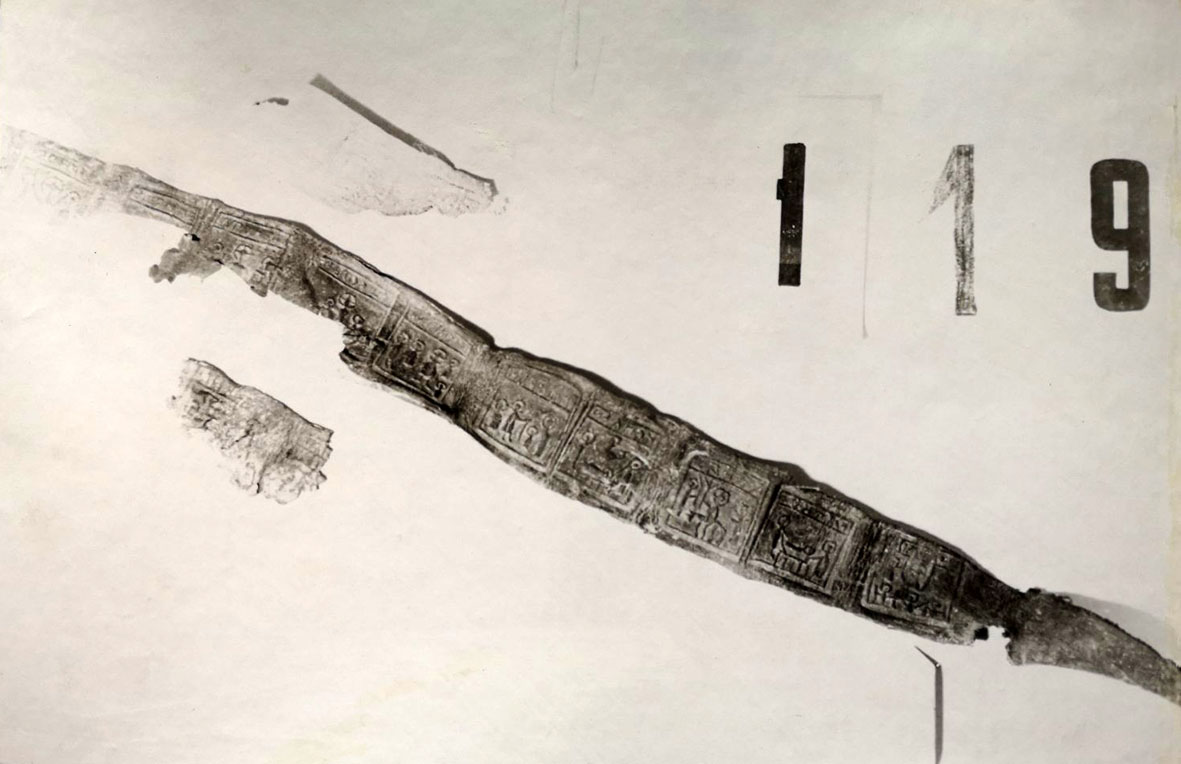
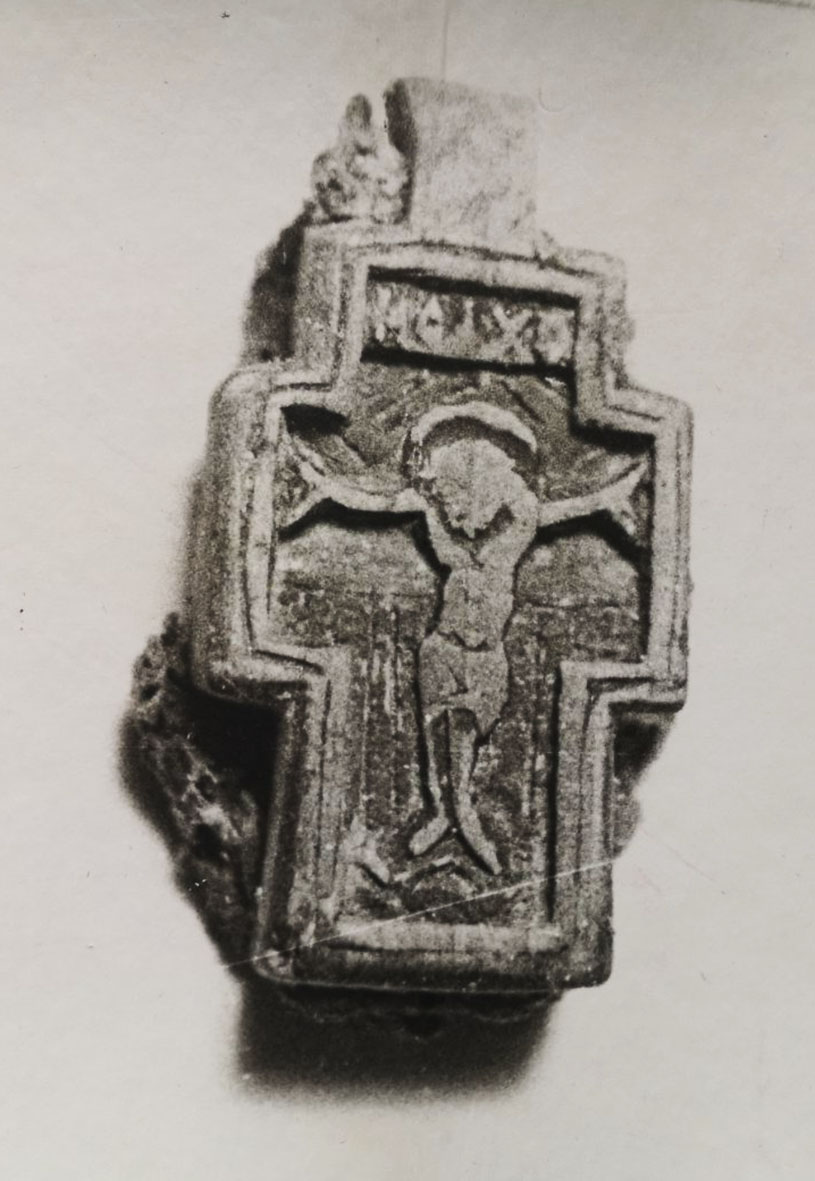
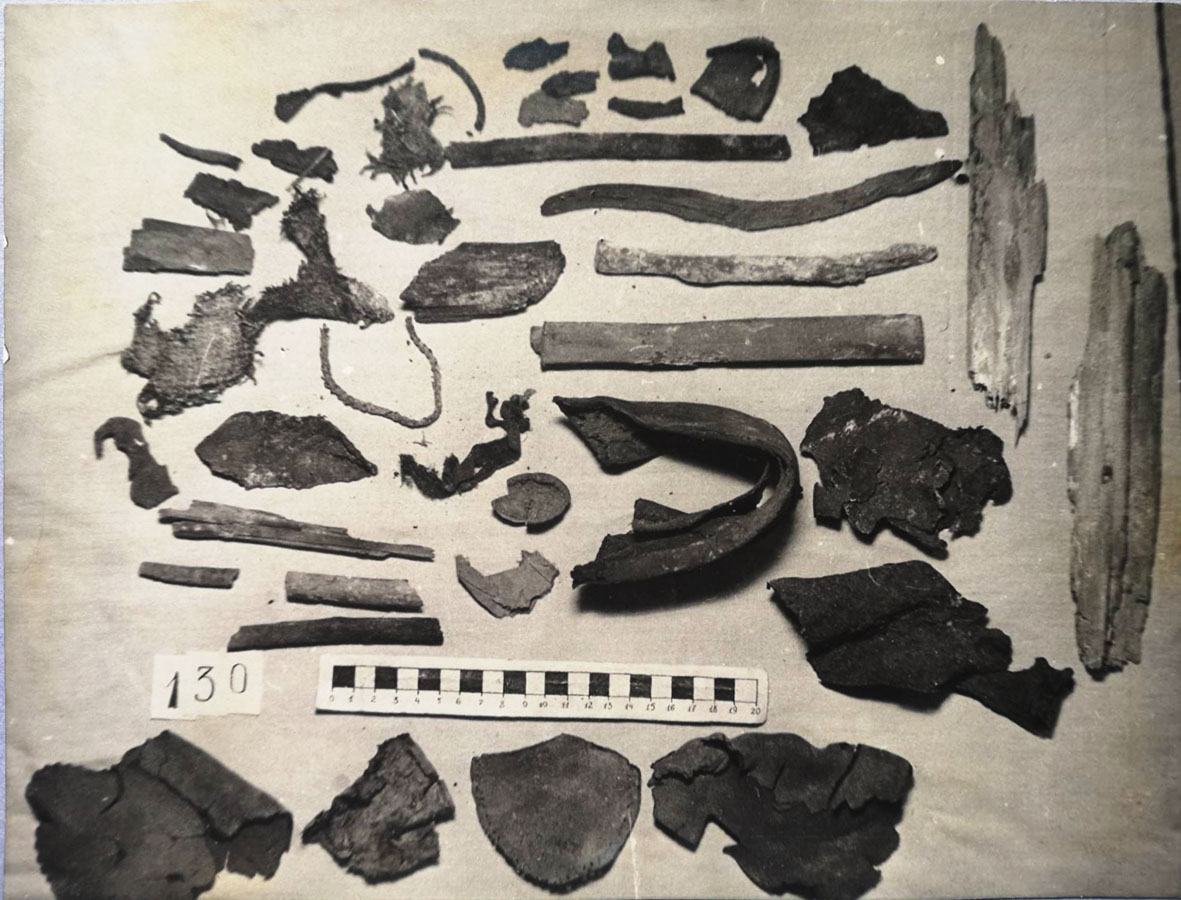
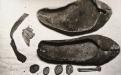
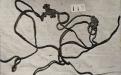
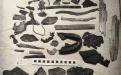
The works lasted until the end of 1979. Scientists discovered many findings and put the information about them on record. Among the findings one could see the fragments of leather shoes, crosses and laces woven from thin leather straps, embossed belts, fragments of fabric, coins, forged nails, plinth, pieces of brick, and minor number of fragments of glass, carved wood and ceramics. In one of the locules, opposite the underground Vvedenskaya Church, silk antimension that dated back to the early 17th century was found. The inscription on the item testified that it was consecrated by Patriarch Theophanes of Jerusalem in June 1620, when he stayed in Kyiv to restore the Orthodox hierarchy here. All things found in the caves were researched, described in detail and passed to the funds of the Preserve. The most interesting findings were displayed at “History of the Lavra Caves” exhibition in the early 1980s. Nowadays, the visitors can observe some of the findings at “Pages of the History of Kyiv-Pechersk Lavra and the Preserve” permanent exhibition of our museum institution.
The next release of “Memories of Kyiv-Pechersk Lavra” photo project will continue the series of publications about the archaeological research in the Near Caves of Kyiv-Pechersk Lavra (1977-1979). We will talk about the burial in woodblocks, one of the most unique findings discovered under the floor of the caves.
Captions to the illustrations:
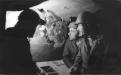
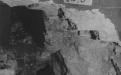
1-2. Probing and opening of burial locules
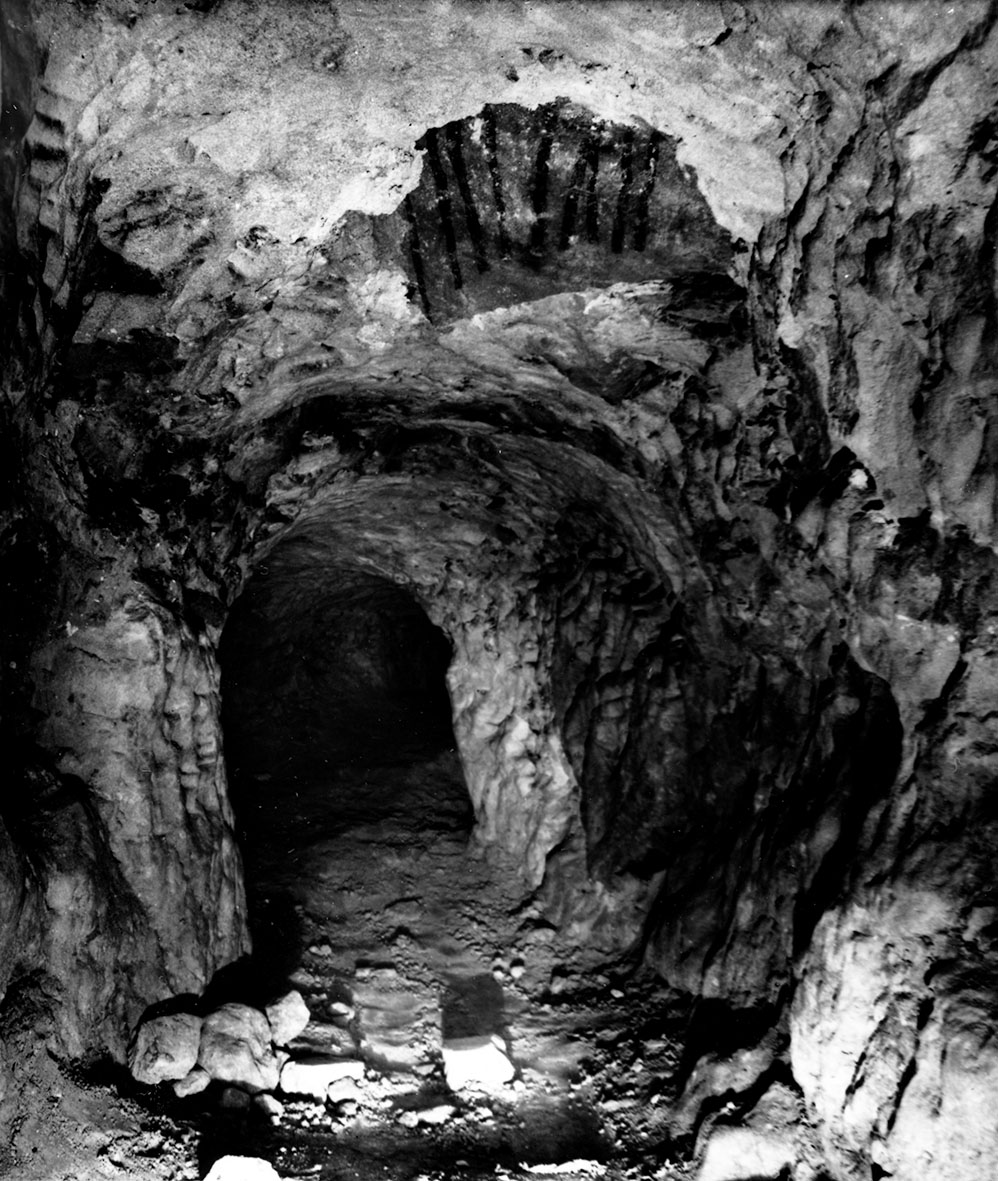
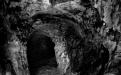
3. “Mercury’s Cave Corridor” - one of the oldest cave branches. On the arch - the remains of ancient paintings in the form of vertical lines
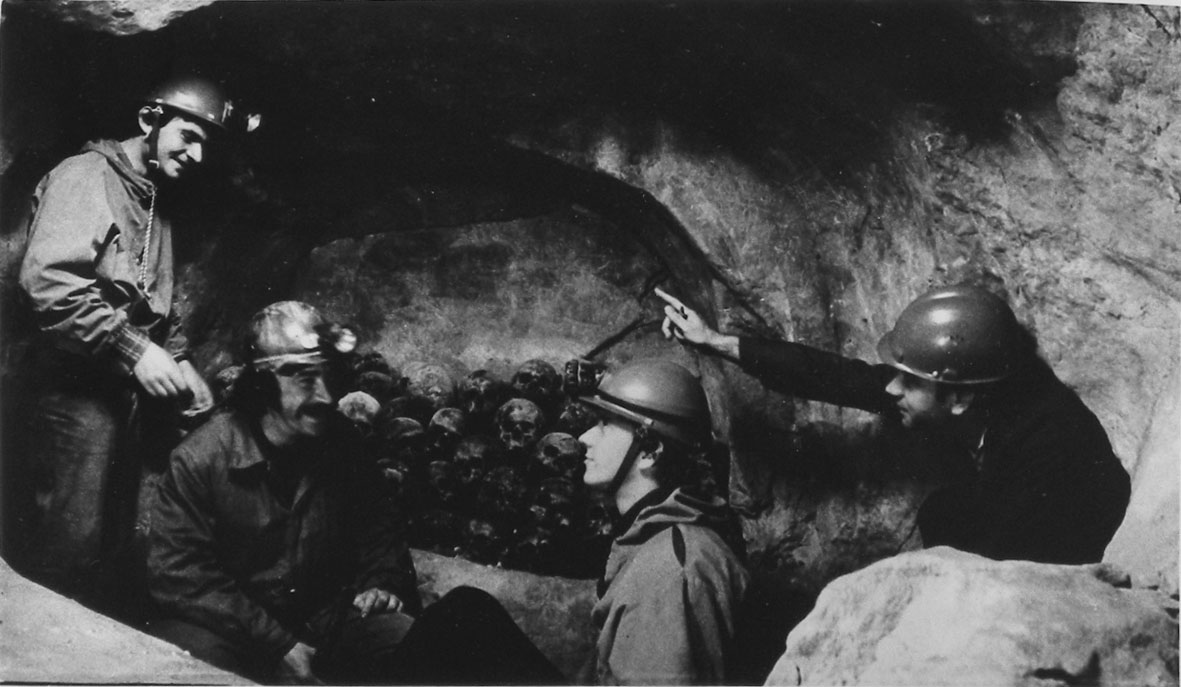
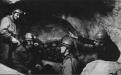
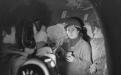
4. A group of speleoarchaeologists led by O. Avagyan investigates the burial crypt in the “Nestor’s Cave Corridor”
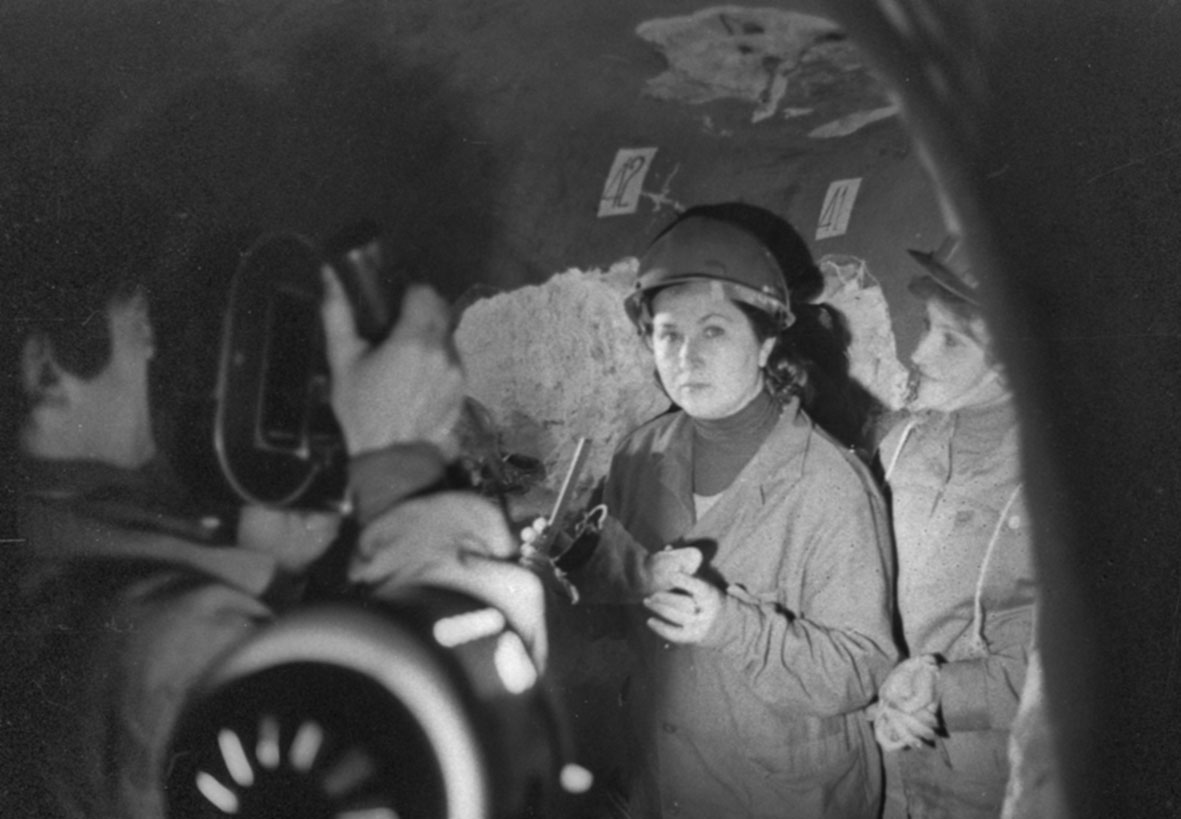
5. Researcher of the Preserve T. Kusok demonstrates the sample of a monk’s shoe found in the cave. On the right - T. Mozharovska
6-11. Findings made during the study of the burial sites
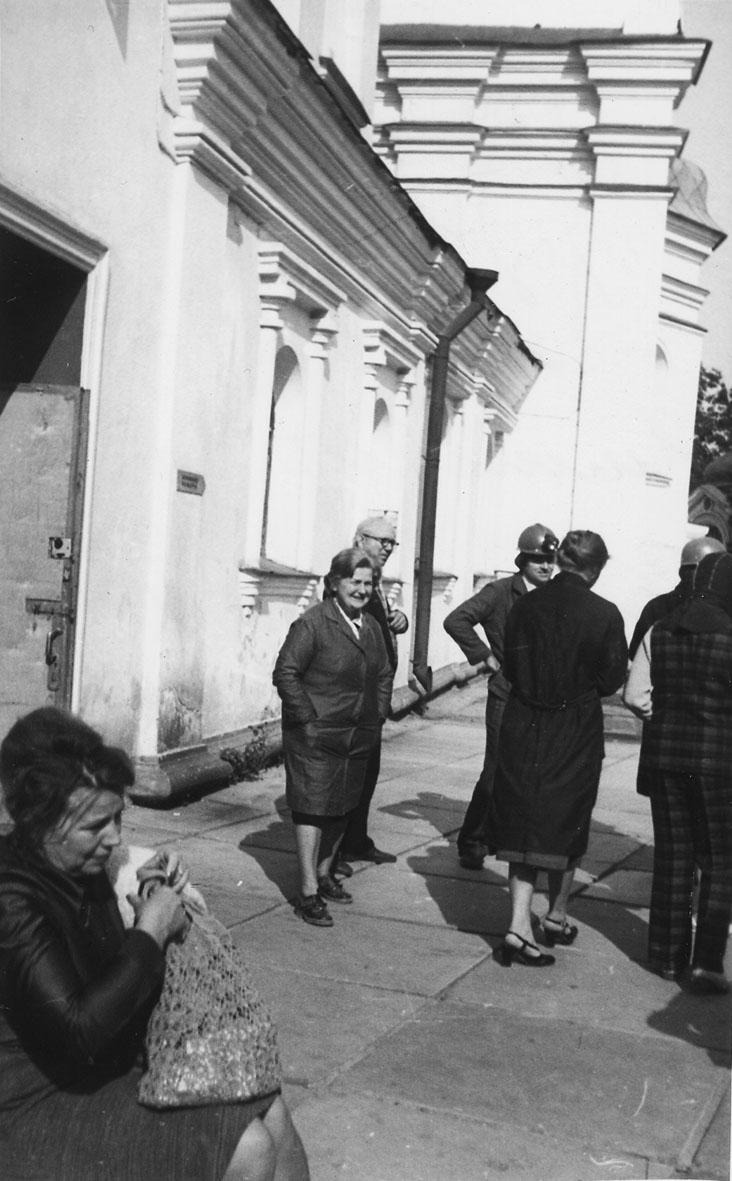
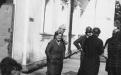
12. An “inspection” from the Institute of Archeology of the USSR Academy of Sciences arrived at the excavation site. The first on the left is S. Kilievych,
the third - P. Tolochko. August 30, 1978
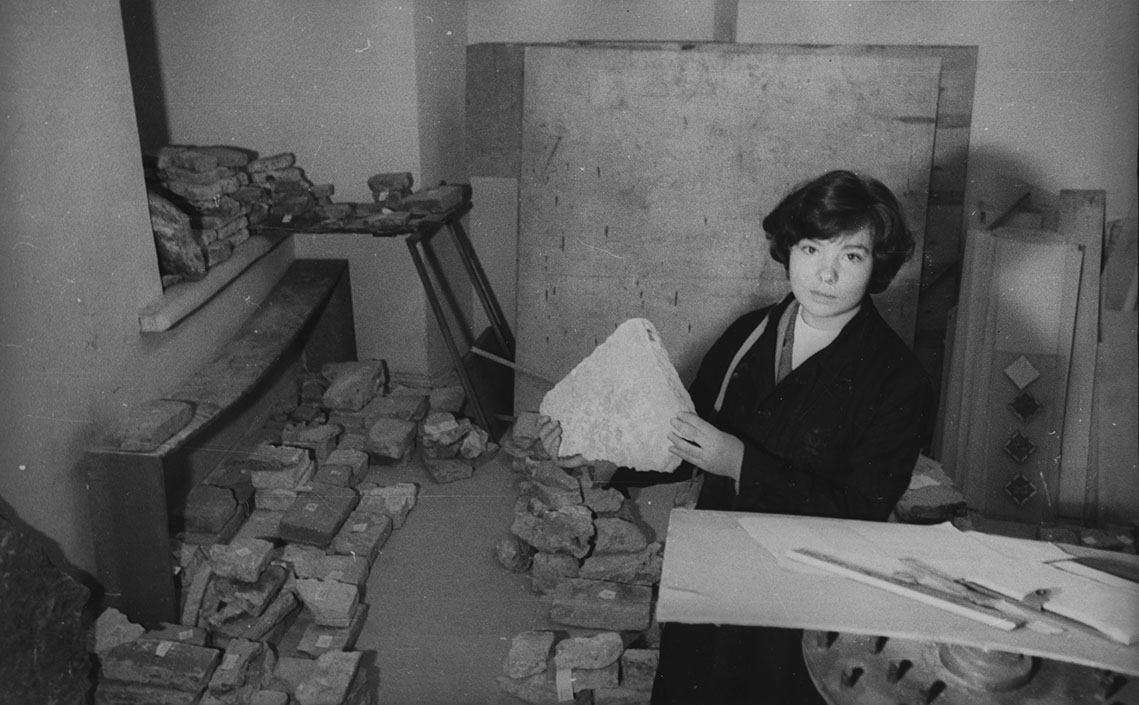
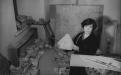
13. D. Holovan, museum attendant and researcher of the Division of the History of Lavra Caves
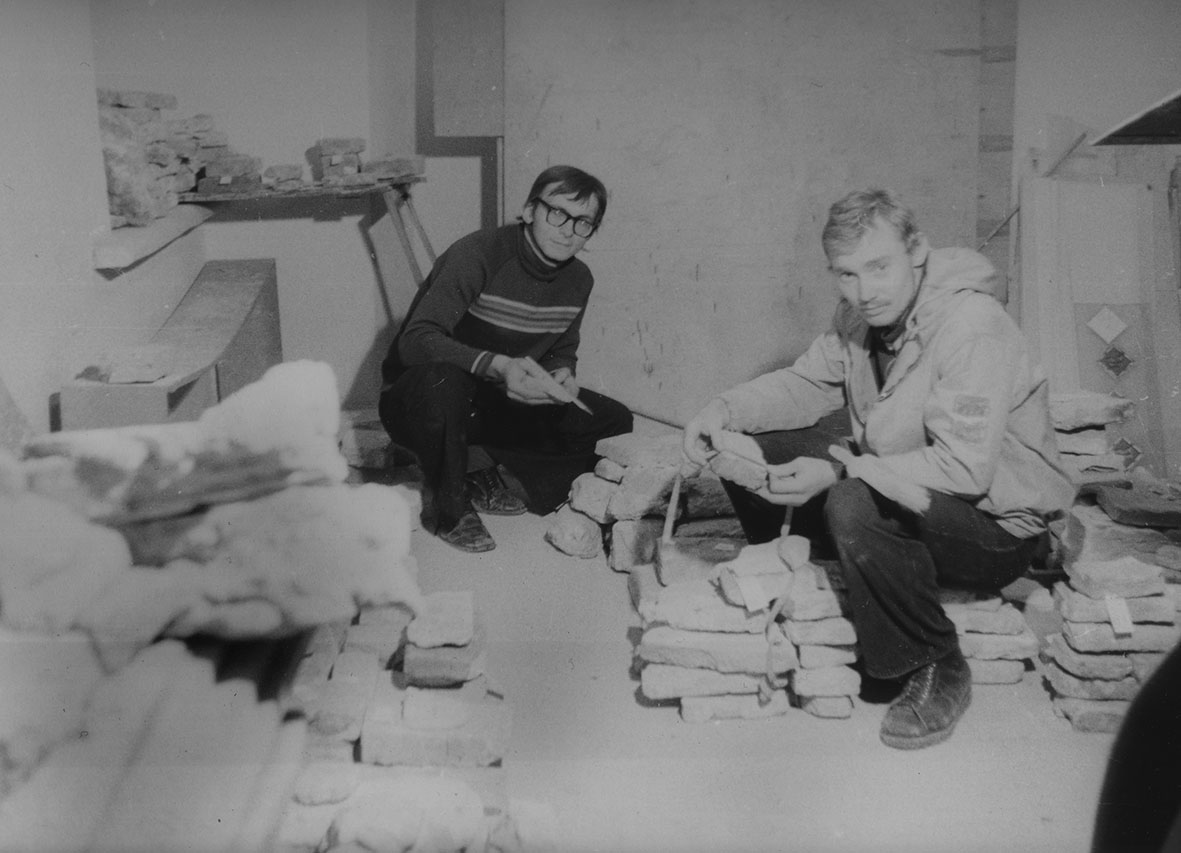
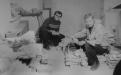
14. Archaeologists-interns of the Kyiv State University - V. Pryshchenko (left) and V. Nazarov


/socialmedia/icons/levelten/glossy/32x32/youtube.png)
/socialmedia/icons/levelten/glossy/32x32/facebook.png)
/socialmedia/icons/levelten/glossy/32x32/twitter.png)