Curious facts about Kyiv-Pechersk Lavra Prince Kostyantyn of Ostroh Tombstone
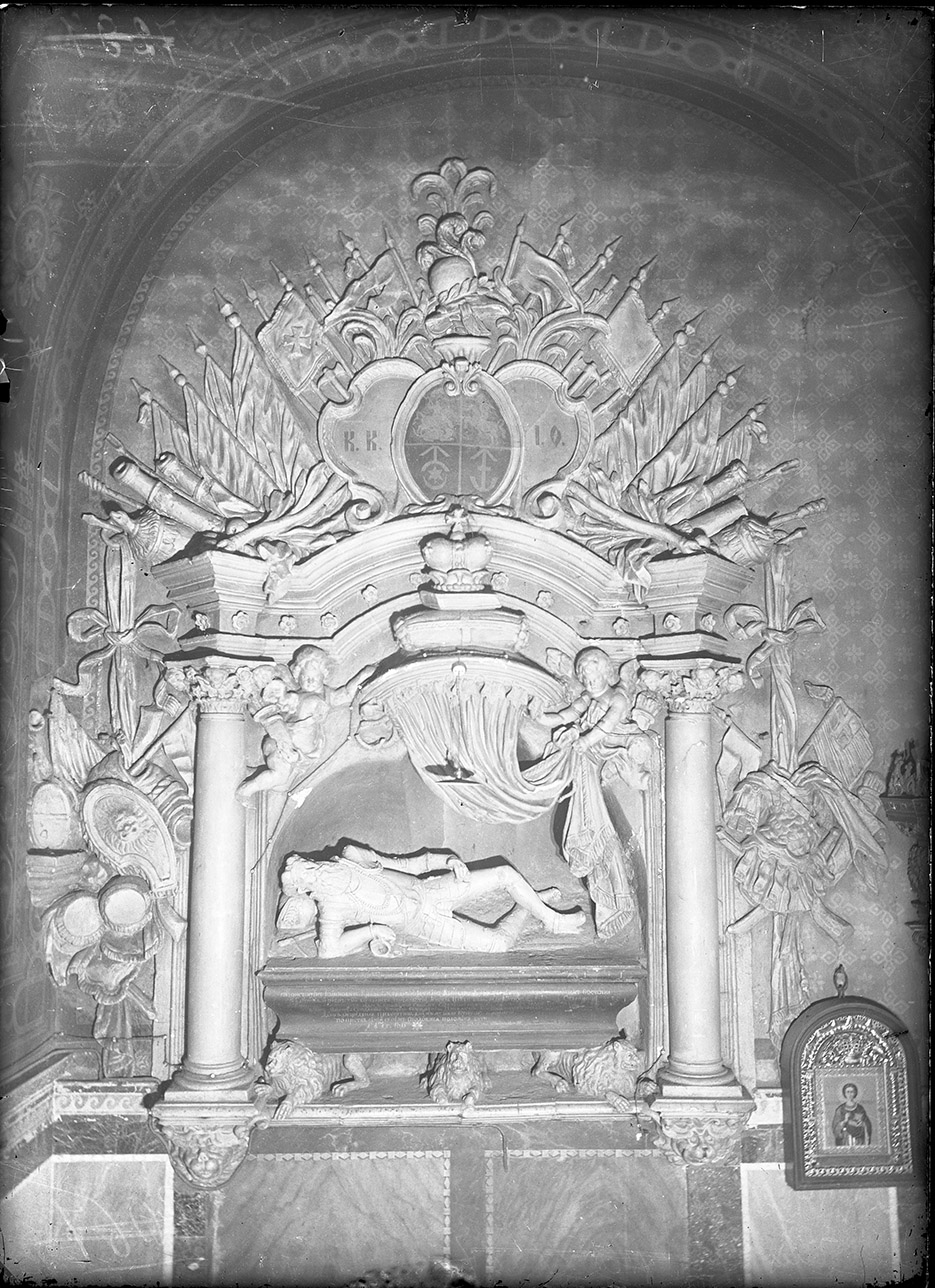
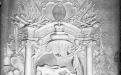
 Did you know that the tombstone of Prince Kostyantyn of Ostroh that has once been installed in Dormition Cathedral of Kyiv-Pechersk Lavra, was a classic example of the funeral effigy, typical for the European Renaissance period?
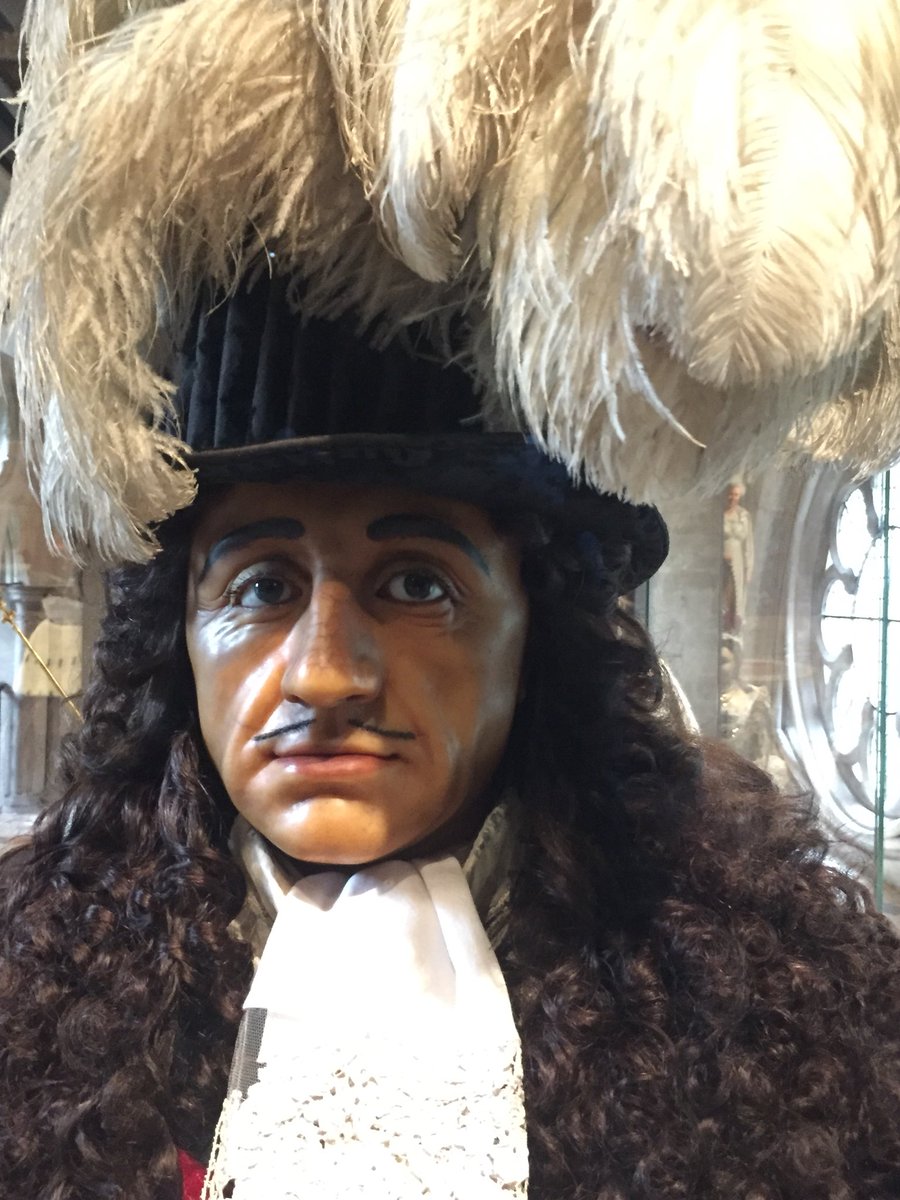
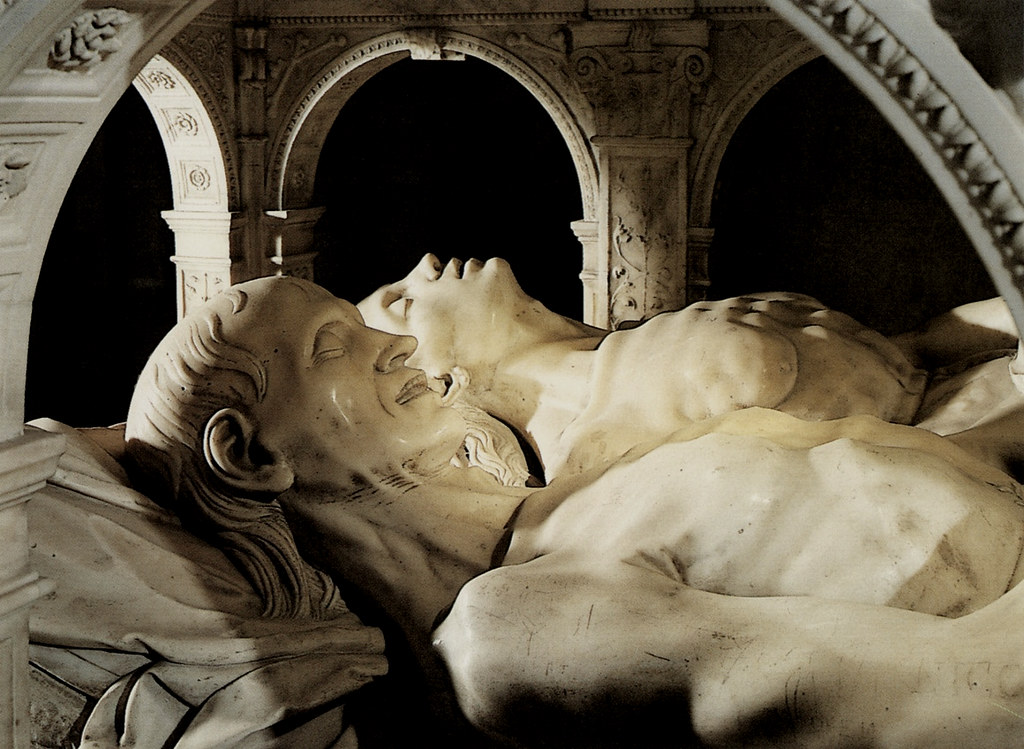
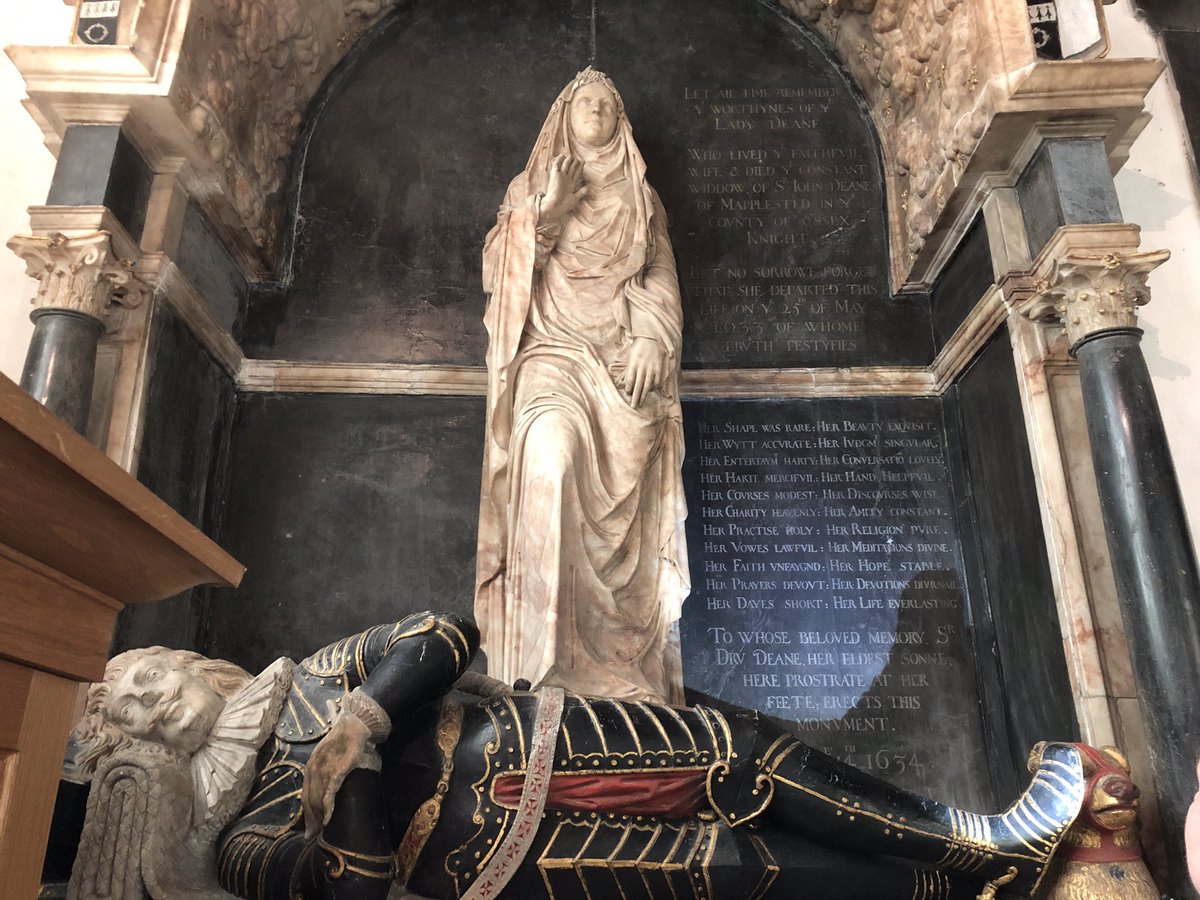
Funeral effigy is the representation of the deceased, which, broadly speaking, can be used in mourning and memorial ceremonies. In most cases effigy is associated with a tombstone. However, it can be a tomb portrait attached to the end of the coffin, which, for example, was typical for the Polish Sarmatism. Besides, it can be associated with a wax or wooden doll depicting the deceased in full length. It is dressed in the clothes of the dead and sometimes wears a wig made from the hair of the late. The most famous examples of this type of effigy is a collection of royal dolls from Westminster Abbey. Such dolls were used in a mourning procession. They “played the role” of the deceased. A separate interesting group of tombstones is called “transi” (from French meaning “gone”) that depict the dead persons in the form of a relief or show their sculptural portrait images. These monuments present the deceased in the form of a skeleton or a decomposing body, sometimes in a very naturalistic way. The main idea of such images is vanitas – the Christian idea of the time fluidity and body baseness in comparison with eternal life of the soul. The tombstone of Prince of Ostroh, comparing to other effigy types, has more familiar representation, where the deceased appears in the form of a sleeping knight.
Captions to the illustrations:
1. Tombstone of Prince Kostyantyn of Ostroh [National Preserve “Kyiv-Pechersk Lavra’, inv. № KPL-N-4734]
2. The funeral doll of King Charles II Stuart from Westminster Abbey. 1685
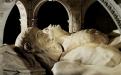
3. Tombstone of King Louis XII and his wife Anne of Brittany made in the “transit” style. 1514–1515
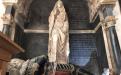
4. Tombstone of Sir John Dean in the image of a sleeping knight. 1633
Hanna Filipova