Photo project “In memory of Kyiv-Pechersk Lavra”
 We are glad to present the new release of “In memory of Kyiv-Pechersk Lavra” photo project to you.
Today we begin a series of stories about the life of Kyiv-Pechersk Lavra in the middle - second half of the 20th century. The first stories will tell you about the reconstruction of the architectural ensemble of the ancient monastery, and the restoration of museum activities that functioned within the premises of the monastery during the first postwar years.
On November 13, 1943, the 7th day after the liberation of Kyiv from the Nazi troops, there appeared the order that opened up the opportunity for Kyiv-Pechersk Preserve to resume its activities. The first members of staff that started working were the employees of the household division. Their task was to check the state of all buildings that survived after the war, get the knowledge of the number of Lavra residents that lived on its territory at that time, and understand the condition of the communications, which were vitally important for the life of the monastery. It had to be done swiftly because of the cold season. This work was supervised by
V.M .Tverskii, who lived in Lavra and was a long-term parishioner of the monastery.
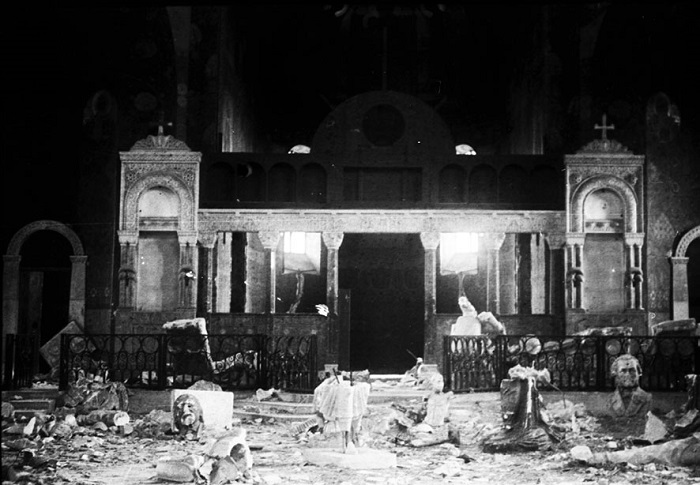
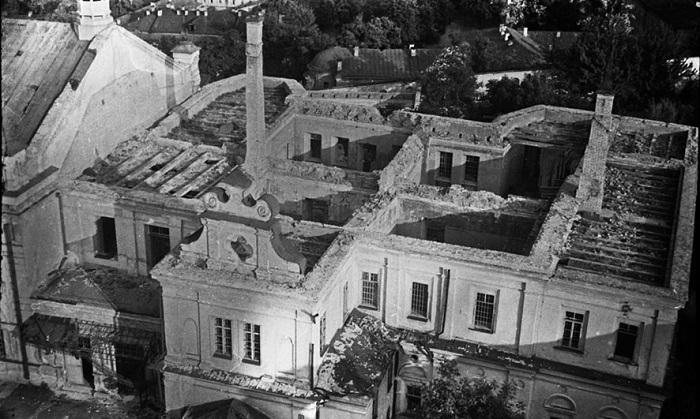
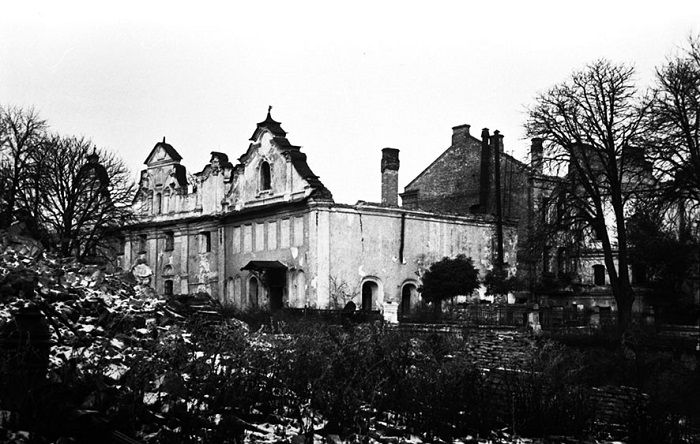
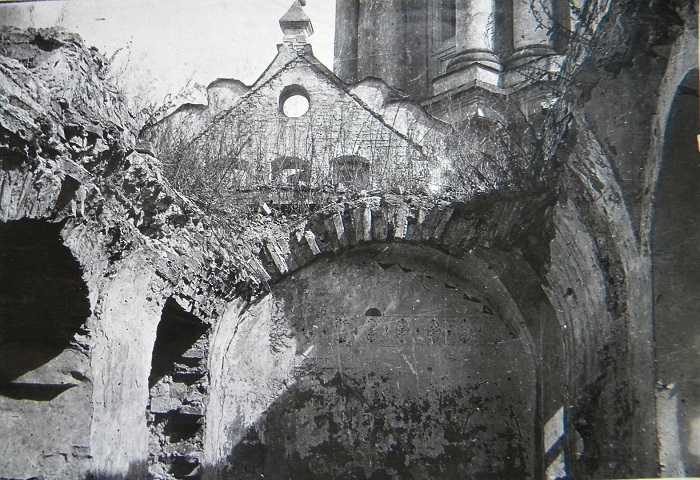
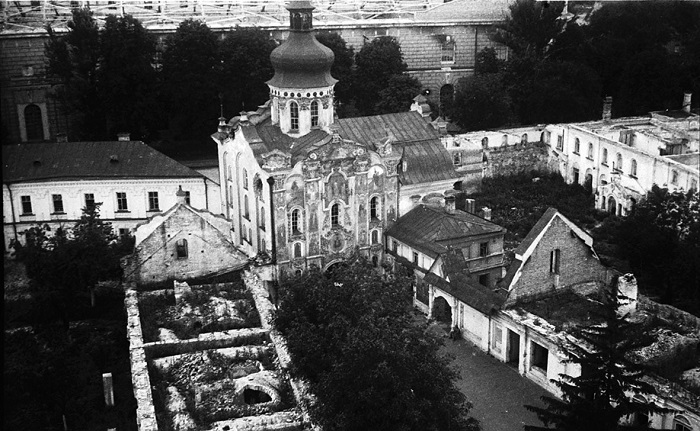
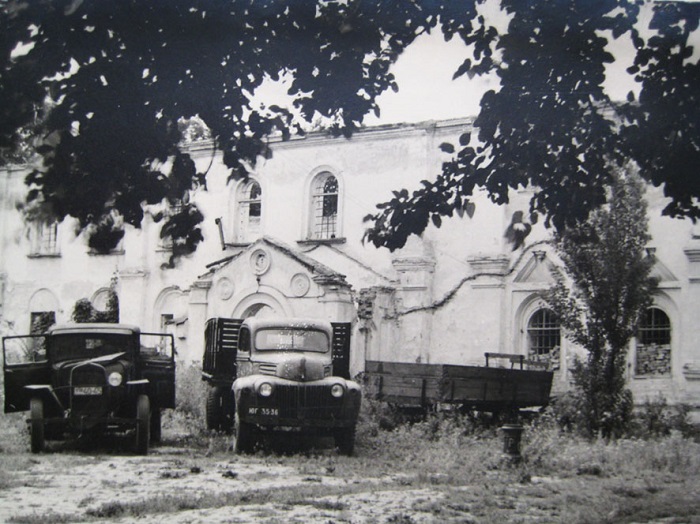
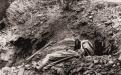
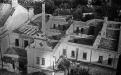
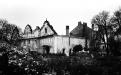
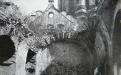
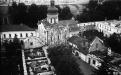
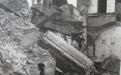
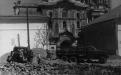
The main work began in 1944. Lavra buildings were inspected. The revealed results were horrible: many buildings were destructed. Damaged or destroyed were thirty two out of thirty five buildings in the Upper territory. In bad condition were also fifteen out of twenty five buildings of the Lower territory. Besides, drainage, water supply and sewerage systems were completely destroyed. Among the architectural monuments most affected by the war were the Dormition Cathedral (that was completely ruined), the Refectory, St. Nicholas and Annunciation Churches (that were 60% damaged), the Onufri Tower (half of which was destroyed), the Great Bell Tower (that lost almost 25% of its constructive elements). At the same time, the war itself or military operations were not the main reason of the destruction of most of Lavra buildings. Only a small part of them were damaged because of that. The core reason of the huge ruination of buildings was the activities of a special team of Nazi occupation troops, which only pretended they were dismantling the ruins. Instead, they systematically destroyed the Upper Lavra sites during autumn 1942 - summer 1943 period. It is thanks to their "efforts" that today we can observe only the walls of many Lavra buildings.
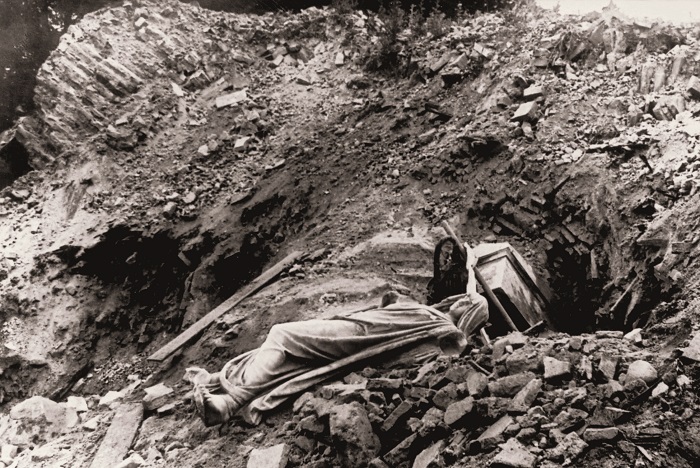
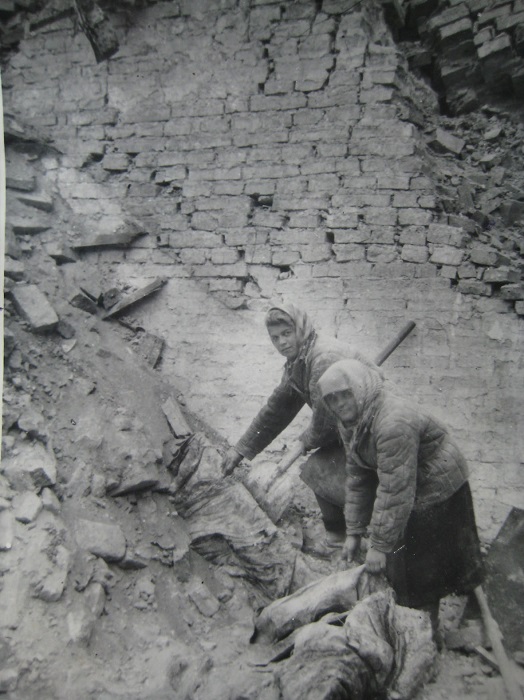
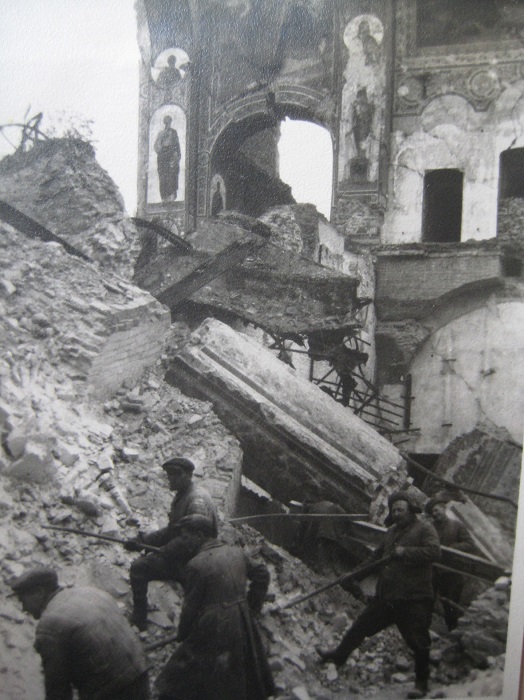
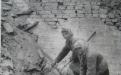
The museum staff got the task - to begin the restoration of the ancient monuments of Kyiv-Pechersk Lavra as soon as possible. Throughout 1944, preparatory works continued. The rate of loss was calculated, restoration projects and estimates were drawn up. At the same time, the workers began the process of clearing up the ruins of the Dormition Cathedral. Under the rubble, they found hundreds of priceless exhibits. Restoration works continued throughout the second half of the 1940s, extended to the following decade and ended in 1960, by the main. Although, this did not apply to the Dormition Cathedral, the main shrine of Lavra. It was restored only fifty years later - in 1999-2000. Nevertheless, we will talk about this later…
Next week you will be able to know more about the reconstruction of Kyiv-Pechersk Lavra architectural ensemble. The continuation of the story will be posted in the next release of "In memory of Kyiv-Pechersk Lavra" photo project.
Captions to the illustrations:
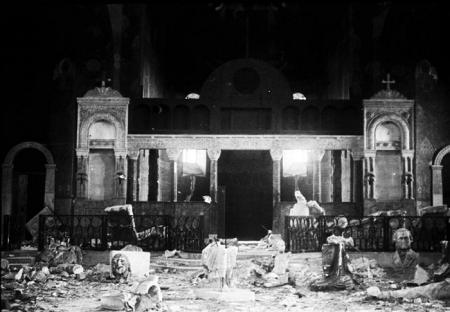
1. Interior of the Church of St. Anthony and Theodosius of Pechersk (Refectory) with shot and broken sculptures
2. Tombstone of Prince Kostiantyn Ipsilanti on the ruins of the Dormition Cathedral. 1944
3. Metropolitan Chambers (building № 2)
4. Kovnir building (№ 12)
5. Ruins of Monastic Cells (building № 3)
6. View of the Main Street and the ruins of buildings from the 3rd tier of the Great Lavra Bell Tower. 1944
7-8. Dismantling the ruins of the Dormition Cathedral
9. Clearing up St. Nicholas Church
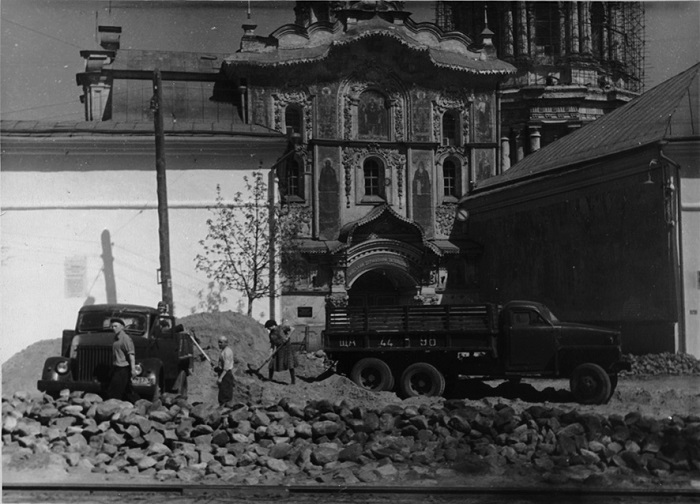
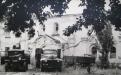
10. Repair of the pavement in front of the main entrance to Kyiv-Pechersk Lavra
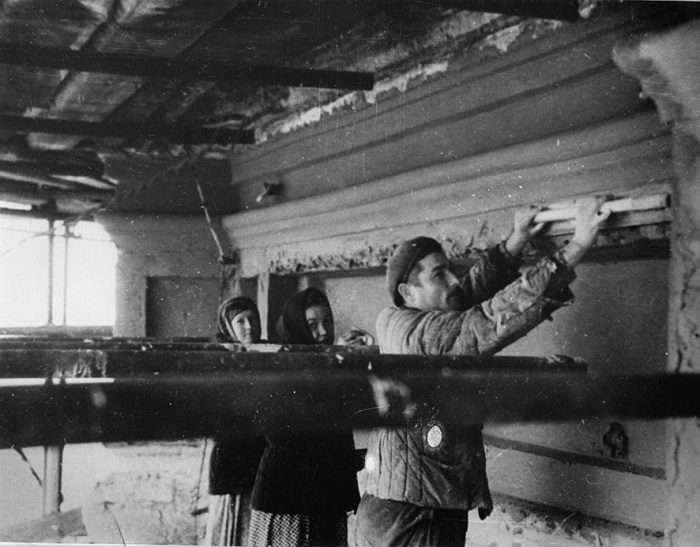
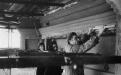
11. Restoration of the profile cornice