Curious facts about Kyiv-Pechersk Lavra

Did you know that at the turn of the 18th–19th centuries, it was believed that the servants often broke dishes during the feasts in the Lavra Metropolitan's private quarters, and sometimes did not even resist the temptation to snatch something.
The situation was somewhat complicated by the fact that all the property of the Metropolitan's private quarters, including tableware, was inscribed in the state inventory. Reflecting on this circumstance, the Metropolitan of Kyiv Hierotheus (Malytsky) wrote: “Although it is not forbidden to supplement such trifles as crockery and crystal, however since they were inscribed in the inventory book, you need to find the same ones for replenishment, and also buy in reserve without entering them in the book”.
Such a moderate attitude of Metropolitan Hierotheus, and his successors, saved all those involved in the “vessels case” the trouble.
However, according to the logic of His Eminence Eugenius (Bolkhovitinov), liable people should be punished. At the request of Metropolitan Eugenius, the Ecclesiastical Council tried to bring to account people liable for the disappearance of another tableware set from the Metropolitan's chambers, but all in vain: no one confessed or testified.
In the end, the Lavra provisor father Dosipheus was held liable, because he did not transfer the tableware to someone’s personal care. The housekeeper did not deny his guilt and soon reported to the Ecclesiastical Council on “the reimbursement of the tablecloth and part of the crockery”. At the same time, father Dosipheus, a good connoisseur of the “schemes” of monastic procurements, requested to buy directly the remaining tableware to avoid eventual overprice. However, the Ecclesiastical Council decided that the treasurer should still buy the dishes for a reasonable price and that the provisor could be present if he wished.
The provisor did not take advantage of the offer and did not hurry to return the money for the dishes bought by the treasurer.
It cannot help be suspected that the “offended” Lavra provisor still intended to offer the seller of tableware something other than “evil cash”…
Natalia Lytvyn
Captions to illustrations:
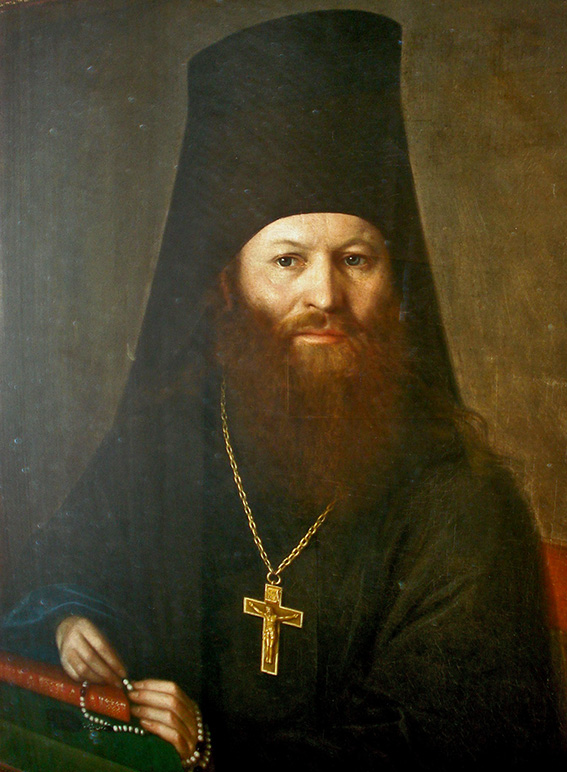
Fig. 1. Hieromonk Dosipheus, Conciliar Elder, provisor (1823–1836). (From the collection of the National Preserve “Kyiv-Pechersk Lavra”, inv. № KPL-P-278)
/socialmedia/icons/levelten/glossy/32x32/youtube.png)
/socialmedia/icons/levelten/glossy/32x32/facebook.png)
/socialmedia/icons/levelten/glossy/32x32/twitter.png)