“In memory of Kyiv-Pechersk Lavra” photo project
 Dear friends!
We bring to your attention the new release of “In memory of Kyiv-Pechersk Lavra” photo project. With this, we continue the story of monastic life in Kyiv-Pechersk Lavra during the Second World War and in the postwar years.
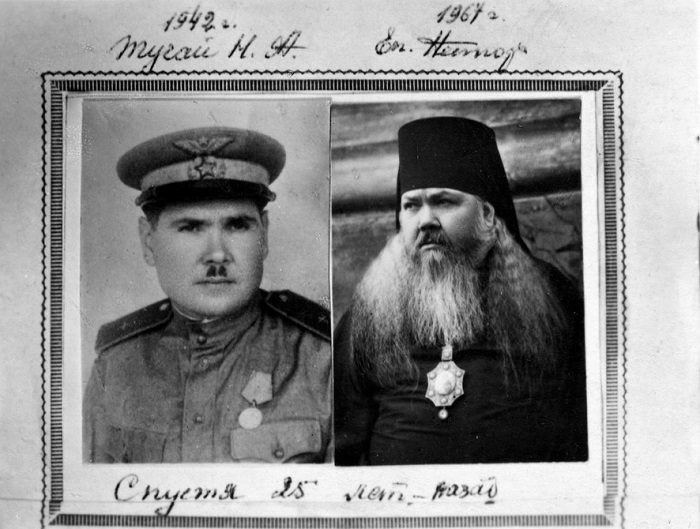
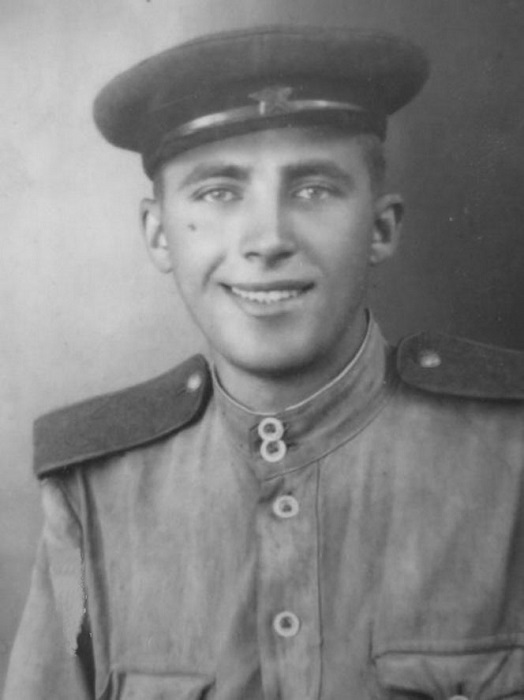
During the Nazi ruling, the Monastery repeatedly suffered from the occupation forces. It was closed several times: on September 7, 1942 - for six days, on September 27, 1943 - for another nine days. During the preparatory activities in October 1943, aimed at defending Kyiv against Soviet troops, the banks of the Dnieper River were cleared. At that time, even sick and frail elderly monks were expelled from their dwellings. Hegumen Irynarkh (Koldorkin), who suffered from tuberculosis, was beaten and died soon after. A few days later, another monk, Arkady, died. With the return of the Soviets, the activities of the Monastery focused exclusively on Lavra’s lower part. At that time forty-nine brothers lived in the Monastery. At the end of 1944, the monks of the closed Trinity Ionian Monastery were transferred to Lavra. After the war, demobilized soldiers started coming to the Monastery. In December 1945, Hierodeacon Nestor (Tugay), the future bishop of Chernyhiv and the last Superior of Kyiv-Pechersk Lavra, returned to the Monastery before its next closure. In 1949, Lavra welcomed the former artilleryman Volodymyr Dziubanin, who came to the Monastery and took monastic vows under the name of Ignatius (schema-monk Hilarion). In 1953, that was former pilot Vasyl Rezvykh (monk Rufus) who joined the ranks of Lavra’s monks.
At that time, the concern about the huge influx of believers who were coming to the Monastery was clearly felt in the air. Numerous pilgrims started gathering there both, on holidays and on weekdays. From the late 1950s, the party leadership launched an offensive against the Church. In 1957, there appeared the Decree that restricted the activities of the monasteries. According to this document, the registration for the monks was forbidden. They were also deprived of their right to settle down at the chosen territory. Thus, the number of the inhabitants of the Monastery was steadily declining. For example, in 1955 there were eighty-seven Lavra’s inhabitants, on January 1, 1960 their number reduced to fifty-five. In 1959, the wells of St. Anthony and St. Theodosius were destroyed. Besides, the appearance of a spring in the yard of a private house that was located further on the slope of the Dniprovsky Descent and became the focus of “magnetism” for hundreds of believers, pushed authorities to liquidate the spring and demolish the house. All that happened in summer, 1960.
On September 13, 1958, Georhii Shevel, Second Secretary of the Kyiv Local Committee of the Communist Party, sent a letter to the Central Committee of the Communist Party accusing Lavra community of destroying architectural monuments, using protection zone for economic needs, and violating passport regime. His proposal was to move the Monastery to another place. Mykola Pidgorny, First Secretary of the Central Committee of the Communist Party, supported him and addressed Moscow with this issue. At the end of 1960, the monks were accused of violating Lease and Security Agreement. As a result, they were evicted from Lavra by the decision of the Kyiv City Executive Committee of February 28, 1961. Most of them were sent to Pochaiv Lavra where they lived thereafter.
The next release of “In memory of Kyiv-Pechersk Lavra” photo project will be dedicated to the little-known album named “Kyiv-Pechersk Lavra” Kyiv State Preserve-Museum”. It was published in 1949.
Captions to the illustrations:
1. Archimandrite Cronid (Sakun), Superior of Lavra (February 20, 1947 - August 1, 1953).
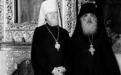
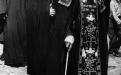
2. Member of the State Commission for the Investigation of Nazi Crimes, Metropolitan Mykola Krutytsky (Yarushevych) and Lavra Superior, Archimandrite Valery, standing near the iconostasis of the Gate Church of the Trinity.
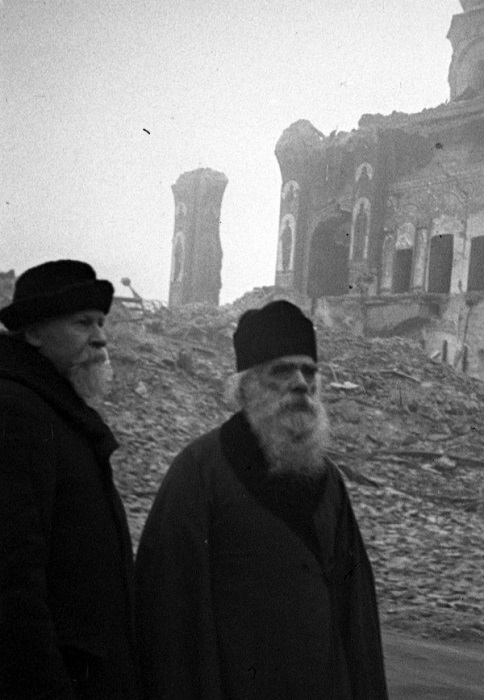
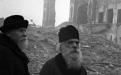
3. Metropolitan Nicholas and Archimandrite Valery near the ruins of the Dormition Cathedral.
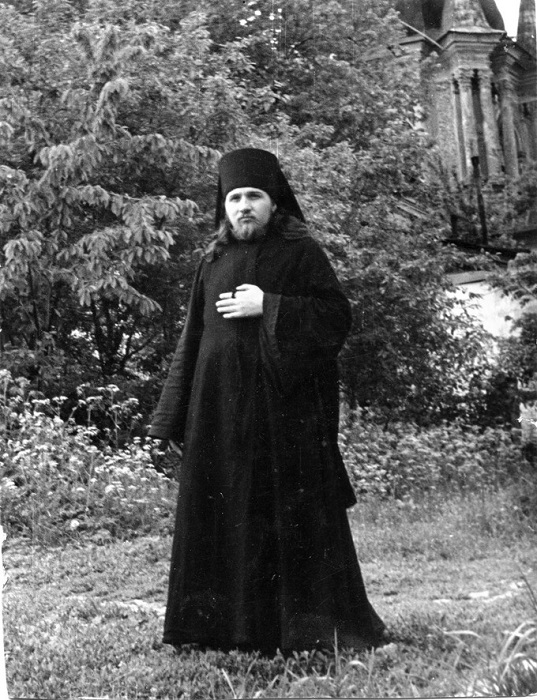
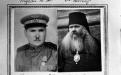
4. Nestor Tugay - Bishop Nestor. Photo collage with the signature made by the hand of the bishop.
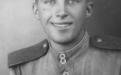
5. Artilleryman Volodymyr Dzyubanin, the future archdeacon Hilarion.
6. Procession in Lavra. In the foreground - chiarchidiacon Hilarion.
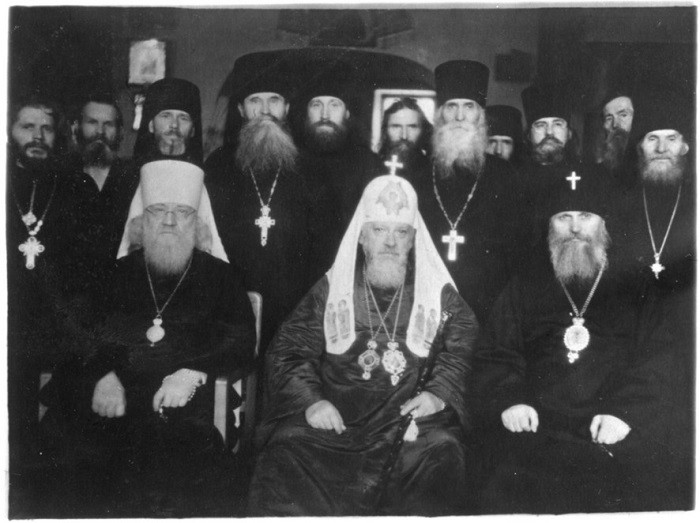
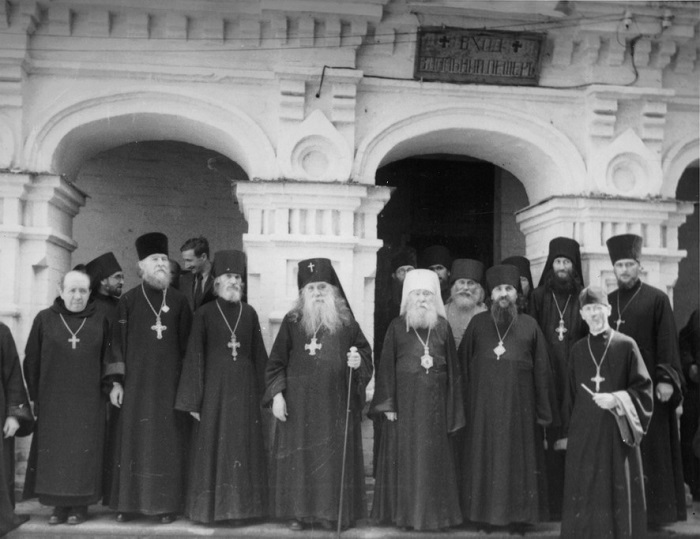
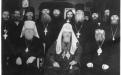
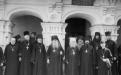
7. Patriarch Oleksii of Moscow (Symansky) (in the center), Metropolitan of Kyiv and Halych John (Sokolov) and Archbishop Stefan (Protsenko) surrounded by Lavra brothers. First on the right is the Superior, Archimandrite Cronid. 1948.
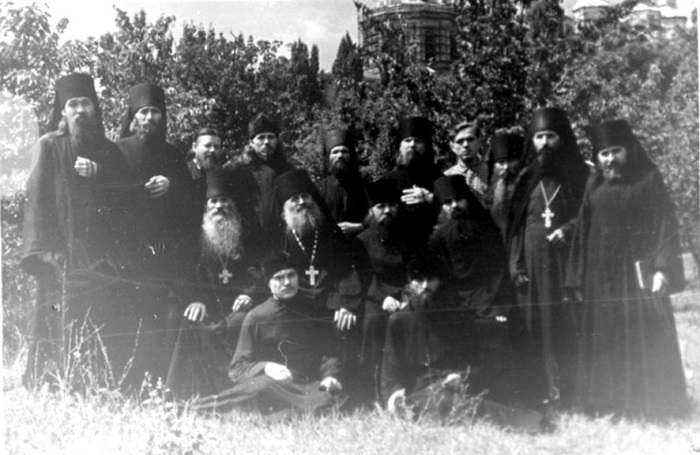
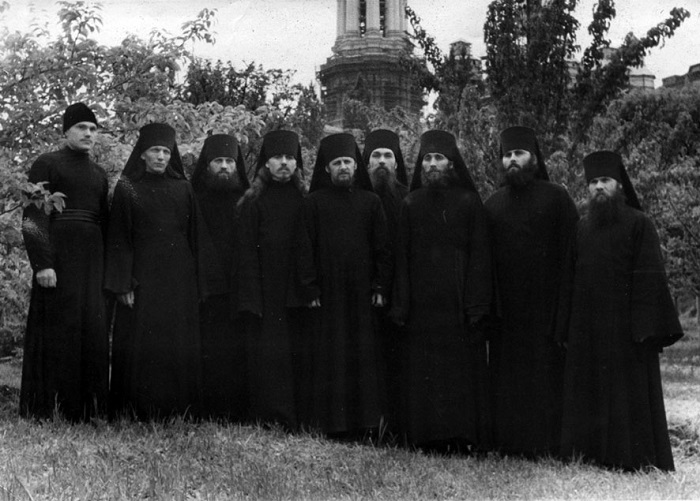
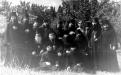
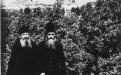
8. Lavra brothers in the Near Caves’ garden. Standing from left to right: monks Sysoi, Ignatius (schema-monk Hilarion), a fisherman, monks Mardarii, Glib, Martyrii (schema-monk Agapit), seminarian O. Gorodetsky, Metropolitan Achilles (?), monks Agafon, Borys; sitting: hieromonk Eutychius, Archimandrite Meletius and a treasurer. Below: novice Methodius, monk Avramii (Kuyava).
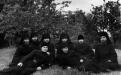
9. Group portrait of the brothers: monks Ignatius, Pavel, Mardarius, Abramius, Nikon, Sisoes. In the foreground: novice Methodius, monk Igor.
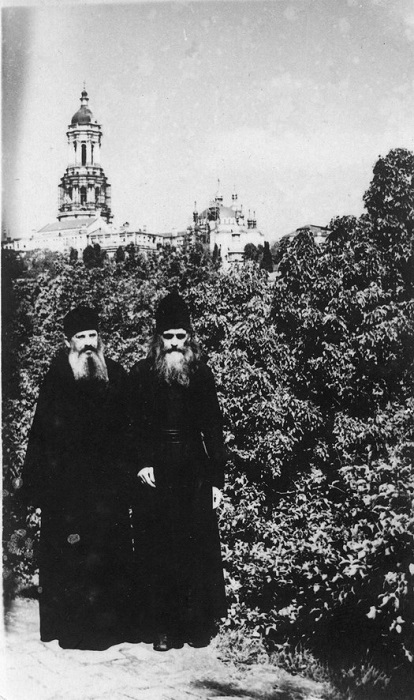
10. Lavra monks in the Near Caves’ garden.
11. Monk Mykolai, (Demin), Cronid in the vows of schema is in the cemetery of the Nativity of the Blessed Virgin Mary Bastion.
12. Lavra brotherhood: novice Methodius, monks Polycarp, Abramius, Mardarius, Igor, Sisoes, Hilarion, Pavel, Nikon.
13. During the meeting of the inter-church delegation. 1950s






/socialmedia/icons/levelten/glossy/32x32/youtube.png)
/socialmedia/icons/levelten/glossy/32x32/facebook.png)
/socialmedia/icons/levelten/glossy/32x32/twitter.png)